When a sponsorship means something
There are moments when a brand sponsorship can be much more than a logo on a stage, a presence at an event, or a media buy surrounding a cultural moment. The most valuable sponsorships give a brand an opportunity to contribute something that the community itself finds meaningful. When that happens, the brand earns a different kind of proximity. It becomes part of the experience.
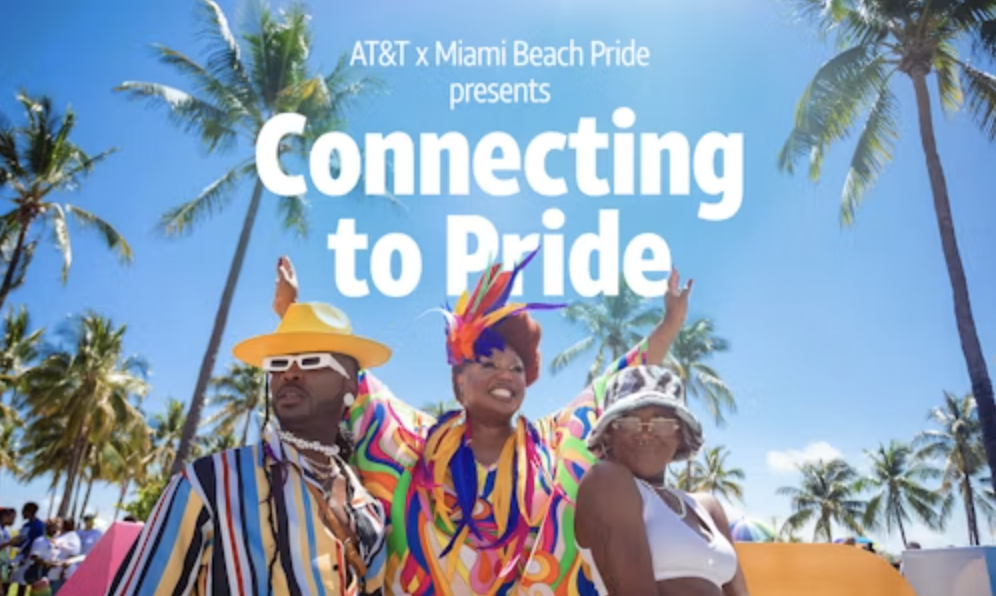
That was the thinking behind Connecting to Pride, a 50-minute documentary I conceived and executive produced for AT&T around the company's sponsorship of Miami Beach Pride. The film generated 5.7 million views and 326,000 engagements across its digital ecosystem, earned a Gold Honor in Corporate-Community from the Shorty Impact Awards, and became the strongest perception driver within AT&T's broader Turn Up the Love platform that year.
The numbers mattered. The awards mattered. What mattered most to me, however, was what the film allowed the brand to do.
It allowed AT&T to make Miami Beach Pride the hero.
The sponsorship needed to mean something
By the time Miami Beach Pride approached AT&T about sponsorship, Turn Up the Love had already established a different model for how the brand showed up for the LGBTQ+ community. Since 2013, the strategy had been built around sustained support for LGBTQ+ organizations, talent, causes, and experiences. The objective was to create meaningful contributions that strengthened the relationship between the brand and the people it wanted to serve.
That context mattered because the Pride landscape was changing. Brands were beginning to face increasing criticism for showing up around Pride Month without demonstrating a deeper commitment to the community. At the same time, Miami Beach Pride was operating in a Florida political environment where LGBTQ+ communities and their cultural institutions were under increasing pressure.
AT&T had an opportunity to support Miami Beach Pride before the flood of corporate Pride campaigns arrived in June. More importantly, it could demonstrate why the event itself mattered.
A conventional sponsorship could have accomplished the first objective. I believed we could do something more consequential.
A Pride event is a cultural institution. For the people who attend, it can represent friendship, belonging, self-discovery, family, celebration, resilience, and moments of personal transformation. Those meanings are difficult to communicate in a 30-second commercial. They require people, history, context, and time.
That is why I proposed a documentary.
Make the event the hero
The idea was straightforward: go into the Miami Beach LGBTQ+ community, find people whose lives had been meaningfully shaped by Pride, and let them tell us why the event mattered.
We worked closely with the organizers of Miami Beach Pride to understand the community and identify potential participants. The casting process was extensive. We interviewed people at length before selecting the final film participants, looking for the stories that could collectively reveal the many ways Pride becomes meaningful across generations and experiences.
The remarkable thing was how much meaning we found.
Every person we interviewed seemed to have a story about a moment when Pride had changed something for them. For some, it was about discovering community. For others, it was about seeing themselves represented for the first time, finding family, or simply realizing that there was a place where they belonged.
That gave us the creative direction.
I told our director that the film needed to be truthful, inspiring, and unflinching. The aesthetic of South Beach gave us everything else we needed: sunshine, color, energy, a little grit, and a sense of place that is impossible to manufacture somewhere else.
The hero of the film was Miami Beach Pride.
That was an important distinction for the brand. We weren't making a documentary about AT&T's support for Pride. We were making a documentary about why Pride mattered, with AT&T using its resources to help tell that story.
For a brand, there is something powerful about creating a cultural product that centers the event partner and positions that partner as a hero in the lives of the people who attend.
That is a different kind of sponsorship.
The creative risk was the point
The political environment in Florida made the work more complicated. There was an active cultural battle around drag, and at one point AT&T executives asked us to remove a particular talent from the film because that person was dealing with a public relations crisis.
I understood the concern. I also knew that removing drag from a documentary about Miami Beach Pride would fundamentally change what the film said about the culture we were documenting.
I pushed back.
Drag was part of the community. It was part of Pride. Erasing it because the cultural conversation had become difficult would have produced a safer film at the expense of an honest one.
The film needed to reflect the community as it actually existed.
That became one of the most important creative decisions we made.
We knew we had something special when the first interview came back. The director, Connor Malboeuf, immediately understood the assignment and brought an extraordinary sensitivity to the participants and their stories. He was recommended to us by one of our media partners, and the collaboration worked from the beginning. The brief gave him a special mission: create something that made people understand why this event mattered.
He exceeded every expectation.
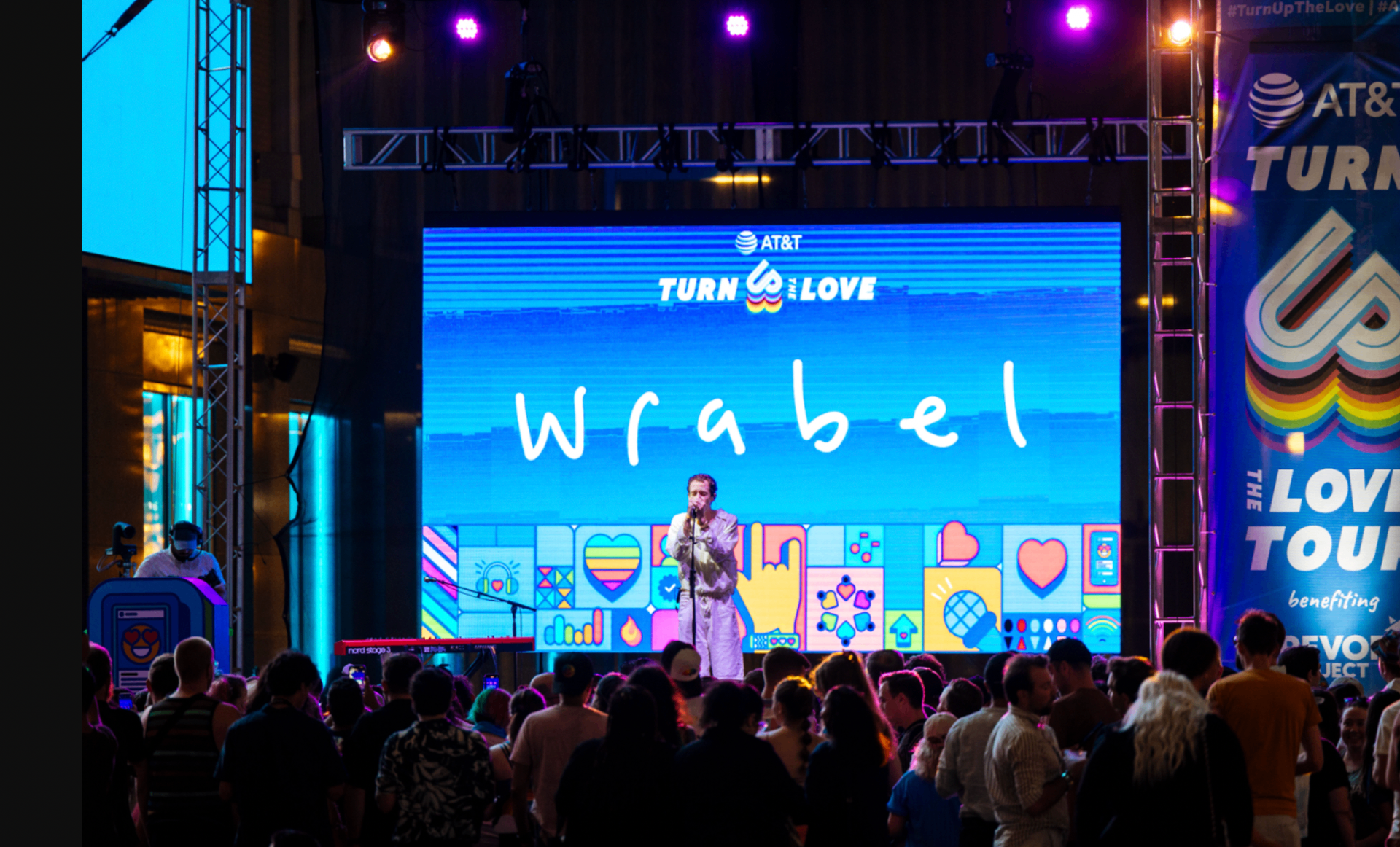
I knew immediately that I wanted to work with him again, and I subsequently brought him on to direct the music video for Wrabel's Turn Up the Love anthem for AT&T.
From sponsorship to community membership
The film was part of a larger content ecosystem. We produced a trailer, shorter clips and cutdowns, and the full documentary, then distributed the work across the platforms where the Turn Up the Love audience already spent time. The documentary generated 5.7 million views and 326,000 engagements across its digital ecosystem.
The audience response was striking because people weren't simply consuming the film. They were recognizing themselves in it.
The stories were vulnerable, honest, and relatable. People shared the work because it gave them something worth sharing. LGBTQ+ media embraced it as an authentic offering from a brand at a time when many companies were approaching the community with highly visible Pride campaigns and relatively little history of meaningful engagement.
The first screening at Miami Beach Pride made the impact even more tangible. Members of the community cried. People told us they felt seen. The organization was able to bring its supporters together around something that celebrated the event itself and gave its community a new way to experience and talk about what Pride meant to them.
That is what a good sponsorship can do.
It can create something the partner could not have created alone.
It can create something the brand could not have created without the partner.
And it can create something the audience actually wants to exist.
The film became the centerpiece of Turn Up the Love
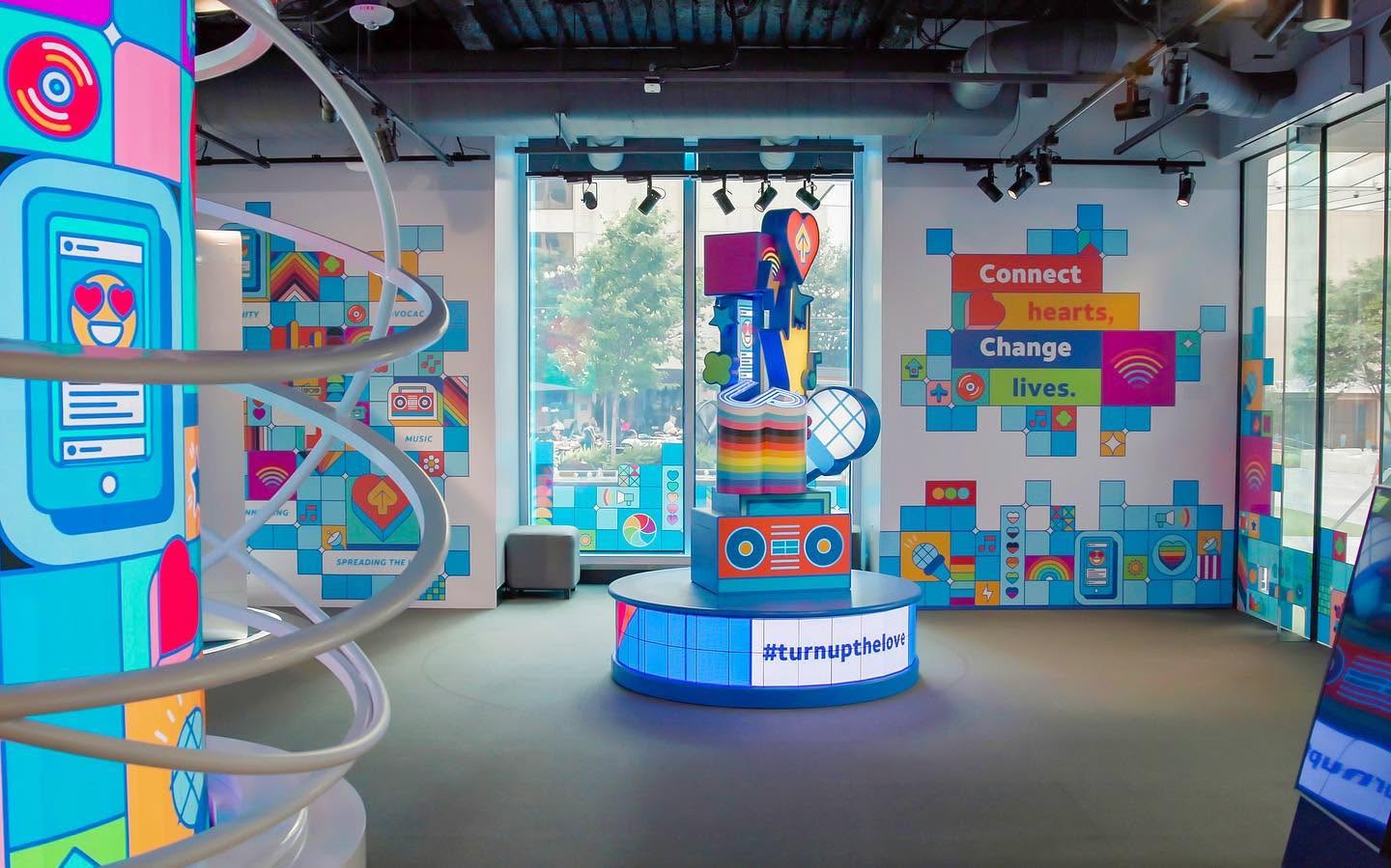
At the time, Turn Up the Love was operating at its highest level of cultural influence. The platform included live events through the Turn Up the Love Tour, partnerships with talent, the Wrabel music video and new anthem, with streaming proceeds supporting The Trevor Project, and a sponsorship of Shangela's U.S. tour.
The documentary became the long-form expression of that ecosystem.
Our measurement showed that, among all the things AT&T did through Turn Up the Love that year, Connecting to Pride was the strongest driver of shifts in perception, loyalty, and consideration.
That result reinforced something I had already come to believe about the platform: once a brand has genuinely built an audience, it doesn't need to rent proximity to that audience through media partners every time it wants to communicate.
We had spent years building a relationship with the LGBTQ+ community. People came to Turn Up the Love for content, events, experiences, talent, and opportunities to support causes they cared about. We had created an audience that trusted the platform to bring them something worth experiencing.
The documentary was an expression of that trust.
Buying media to gain proximity to culture would have been a strange strategy at that point. We already had proximity. We had earned it.
The opportunity was to use that position responsibly.
What brands can learn from a 50-minute film
There is an understandable pressure in marketing to make everything shorter. Attention is fragmented. Platforms reward frequency. Media costs money. A 50-minute documentary can look extravagant when placed against the familiar metrics of reach and efficiency.
Sometimes the long way is the strategic shortcut.
A 30-second commercial could tell people that AT&T supported Miami Beach Pride. A 50-minute documentary could show them why Miami Beach Pride mattered to the people who built their lives around it.
That distinction mattered.
The film gave people enough time to meet one another, understand their stories, see the event through their eyes, and recognize pieces of their own experiences. It gave the community room to speak in its own voice. It gave AT&T an opportunity to demonstrate its support through an actual investment in storytelling.
Most importantly, the brand's role was useful.
That is the standard I would apply to any community sponsorship.
Ask what the brand can contribute that makes the experience richer for the people who are already there. Ask what the community needs that the brand has the resources, reach, talent, or platform to provide. Then build something that gives more value to the community than it takes from it.
The answer won't always be a documentary.
It might be an experience, a platform, a contribution, a performance, a product, a service, or a piece of storytelling.
The form matters less than the contribution.
Connecting to Pride worked because the film wasn't an advertisement about a sponsorship. The sponsorship gave us the opportunity to make the film, and the film gave the sponsorship meaning.
That is what I believe the best brand partnerships can accomplish.
They don't simply put a brand closer to culture.
They give the brand a meaningful role within it.
And sometimes, the most powerful thing a brand can do is make the community itself the hero.