Perspective 05 · 9 min read
Your Organization is Your Brand.
Why every business decision has become a branding decision.
Robert Vincent Hébert

Why every business decision has become a branding decision.
Marketing used to enjoy an unusual advantage. For decades, perception could move faster than reality. A memorable campaign often shaped public opinion long before a company had changed much underneath the surface. Most customers never had enough information to challenge the story they were being told. That was one of marketing's greatest strengths.
That advantage is disappearing. People don't experience companies through advertising alone. Before making a purchase they compare products, browse Reddit, watch YouTube reviews, read employee comments on Glassdoor, skim earnings calls, and increasingly ask AI to make sense of everything it can find. Marketing activity is now just one part of the evidence people use to judge a company.
The most important impact of AI isn't that it can write copy or generate images. Those capabilities are useful, but they aren't transformative. What's changing is AI's ability to synthesize information that has always existed but was too fragmented for most people to assemble on their own.
Ask an AI whether an airline treats customers well and it will summarize years of customer reviews, operational performance, executive interviews, news coverage, labor disputes, and social conversation. What it will do is weigh that record against the latest advertising campaign. The answer may not be flattering, but it reflects something much closer to the company's actual reputation, and that puts today's marketers at a disadvantage.
A retailer's sustainability claims are evaluated alongside supply chain reports and investigative journalism. A technology company's hiring campaign is considered next to employee sentiment and executive decisions. Partnerships, customer service, product quality, pricing, leadership, and communications are suddenly all part of the brand.
For years marketers have been responsible for shaping perception. Now, our role is to help organizations understand the perception they're already creating, and not only the perception we want the brand to project. The problem is that narrowing the gap is not a marketing function.
I've never believed that a brand is simply perception. Perception can change overnight. Reputation doesn't. It accumulates slowly through repeated decisions, consistent behavior, and the expectations a company either fulfills or disappoints over time.
Marketing contributes to that process, but it does not control it.
Looking back over twenty years working across publishing, media, sponsorships, and cultural partnerships, the campaigns I'm most proud of have one thing in common: they succeeded because there was already something authentic to amplify, not because the creative was unusually clever. I've also watched the opposite happen just as often.
I've watched organizations invest millions in campaigns designed to reshape public opinion while leaving the underlying business unchanged. The advertising was being asked to solve something that belonged elsewhere in the business.
That realization changed the way I think about the profession. Before deciding what a company should say, I find myself asking a different question. Has it earned the right to say it? If it hasn't, the consumer will call “bullshit.”
When people ask how to make a brand relevant, they're usually asking the wrong question. Relevance is earned well before a creative brief or a media plan exists. By the time those conversations begin, the more important decisions have already been made.
It starts with understanding what people already value before deciding where a brand belongs. That sounds obvious, but it's remarkable how often organizations reverse the order. They begin with the campaign they want to produce, the product they need to sell, or the sponsorship they've already purchased. Consideration for the audience's needs happens surprisingly late, usually after the strategy has already been approved.
I've always found it more useful to begin with the consumer. What motivates them? What do they spend their time talking about when brands aren't part of the conversation? Who do they trust? What experiences do they genuinely value?
Most importantly, where could we contribute something they would actually miss if it disappeared?
Contribution requires more of a brand than visibility. It's relatively easy to place a logo inside a cultural moment. It's much harder to improve that moment in a way people remember after your logo is gone, which is how a brand wins.
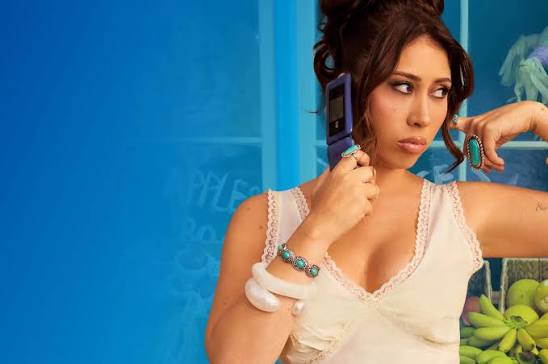
This year I had the opportunity to lead a partnership with Kali Uchis while overseeing cultural marketing for a national telecommunications company. Like most sponsorship conversations, it began with demographics. Kali's audience was overwhelmingly Gen Z. They were younger than our existing customer base, disproportionately female, deeply engaged with her music, and, according to our research, had very little reason to think about our company.
On paper, the diagnosis might have been low awareness. But people knew who we were. They simply didn't see us as relevant to their lives. That's a different problem, and buying more impressions rarely fixes it.
Early in the planning process I remember thinking that we were asking ourselves the wrong question. We discussed how our brand could become part of Kali's world. I realized the better question was, how could we serve Kali fans best? Insights led us to this: Kali fans were missing her since a recent withdrawal from social. We could strengthen the relationship she already had with her fans.
That shifted almost every conversation that followed. Kali understood her audience better than we ever could. She didn't need a telecommunications company explaining how to engage the people who had supported her career. Our responsibility wasn't to direct the relationship. It was to remove friction from it. The partnership became less about brand integration and more about fan experience.
Some of the ideas were relatively simple. We produced original content that existed only for her community. We synchronized thousands of LED wristbands so the audience became part of the performance instead of simply watching it. Fans recorded voicemail messages before the concert within our activation footprint, and those recordings unexpectedly became part of the live show. Small details—even temporary flower tattoos inspired by something Kali genuinely loved—felt authentic because they belonged in her world before they ever belonged in ours.
Looking back, none of those ideas were particularly complicated. None began with the brand, either. They began with a simple question: what would make this experience better for the people who showed up. The brand entered naturally because it was helping create something people appreciated rather than interrupting something they had already come to enjoy.
We talk about capturing attention as though attention is sitting there waiting for whoever makes the loudest campaign. In reality, attention is usually borrowed. People lend it to organizations that consistently make their experiences better, easier, richer, or more memorable. When brands forget that exchange, attention becomes increasingly expensive to buy and increasingly difficult to keep.
The partnership ultimately increased brand consideration by forty-one points among an audience that had shown little interest in us beforehand, proof that relevance has to be earned rather than purchased.
Somewhere along the way, marketing became responsible for things it was never designed to fix. A declining customer experience becomes a branding problem. Weak product differentiation becomes a messaging exercise. Employee dissatisfaction becomes an employer branding campaign. A company loses relevance, and the first instinct is to ask marketing to explain it differently.
I've been in those meetings. Most marketers have. They're uncomfortable because everyone in the room quietly understands what's happening. The campaign isn't the problem. It's simply the part of the business that's visible enough to receive the assignment.
I've watched beautifully executed campaigns struggle because the organization behind them either wasn't delivering on the experience customers expected from the marketing or the organization was behaving in ways that were not aligned with the consumer's values. I've also seen fairly ordinary creative outperform expectations because everything surrounding it felt true. The advertising wasn't doing all the work. It was simply making visible decisions the company had already made.
That's the biggest change I see happening now. Marketing used to shape perception because marketing limited information. Today, information belongs to everyone.
Customers don't feel they know a company through its advertising. They experience it through dozens of interactions that accumulate over time. An influencer post. An interview with the CEO. A Reddit thread. A product update. A conversation with customer care. An employee who posts about working there. None of those moments on their own are particularly significant. Together they become the brand as it lives in the mind of the consumer.
AI accelerates that process because it does something humans rarely have time to do. It assembles all of those fragments into a single picture. It's hard to overstate the significance of this.
For decades companies worked to create a consistent message. The challenge now is creating a consistent organization, a management discipline rather than a communications exercise.
At long established brands, I suspect marketing organizations will spend as much time building the brand over the next decade and as they will spend contending with the reputation the organization has earned.
The work is different and requires a different kind of leader. CMOs will need more power and influence to effect the changes an organization requires to be a winning brand.
The work also requires marketers to evolve. The most valuable marketers won't simply be better storytellers. They'll become thoughtful observers who recognize disconnects before customers do. They'll notice when a product promise no longer matches the experience and will need the capacity to impact both.
They'll sense when a sponsorship feels opportunistic instead of authentic and adopt The Contribution Model to make it right.
When a purpose campaign says one thing while company policy says another, they'll operate as a change agent for both.
Those observations are strategic long before they're creative. Maybe that's why I've become less interested in campaigns than I used to be. I still love great advertising. I still believe sponsorships can create extraordinary moments. I still think storytelling matters. But I've stopped believing storytelling comes first. Stories are usually the result of something worth talking about. That's the distinction I've come back to repeatedly throughout my career.
Whether I was working in publishing, building media businesses, developing partnerships with artists, or leading sponsorship strategy, the work almost always became easier once we stopped asking how to make the brand more interesting.
The better question has always been, how can we contribute something people would actually value? Everything else follows.
And I believe that is the direction marketing must head in.
Toward contribution over persuasion, and toward what a company does over what it says.
In the future, people won't choose brands because they're marketed well. They will choose companies that matter to them.
What AT&T’s collaborations with Temi Coker, Handel Eugene and Zipeng Zhu taught me about cultural meaning, mutual value and the power of putting brand scale behind an artist’s vision.

How do you turn years of earned community trust into work that deserves a place in people's lives independent of the brand behind it?

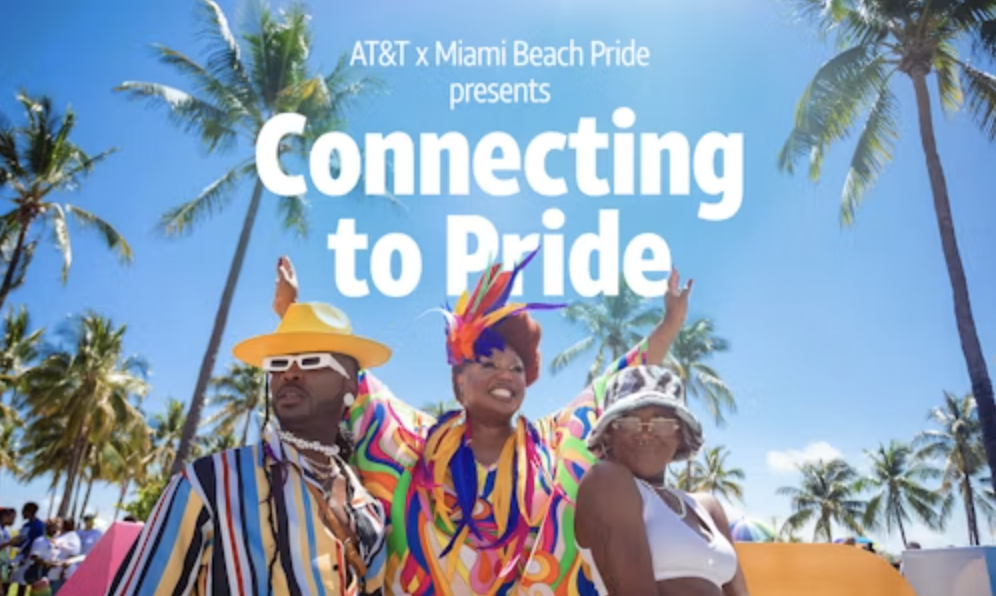
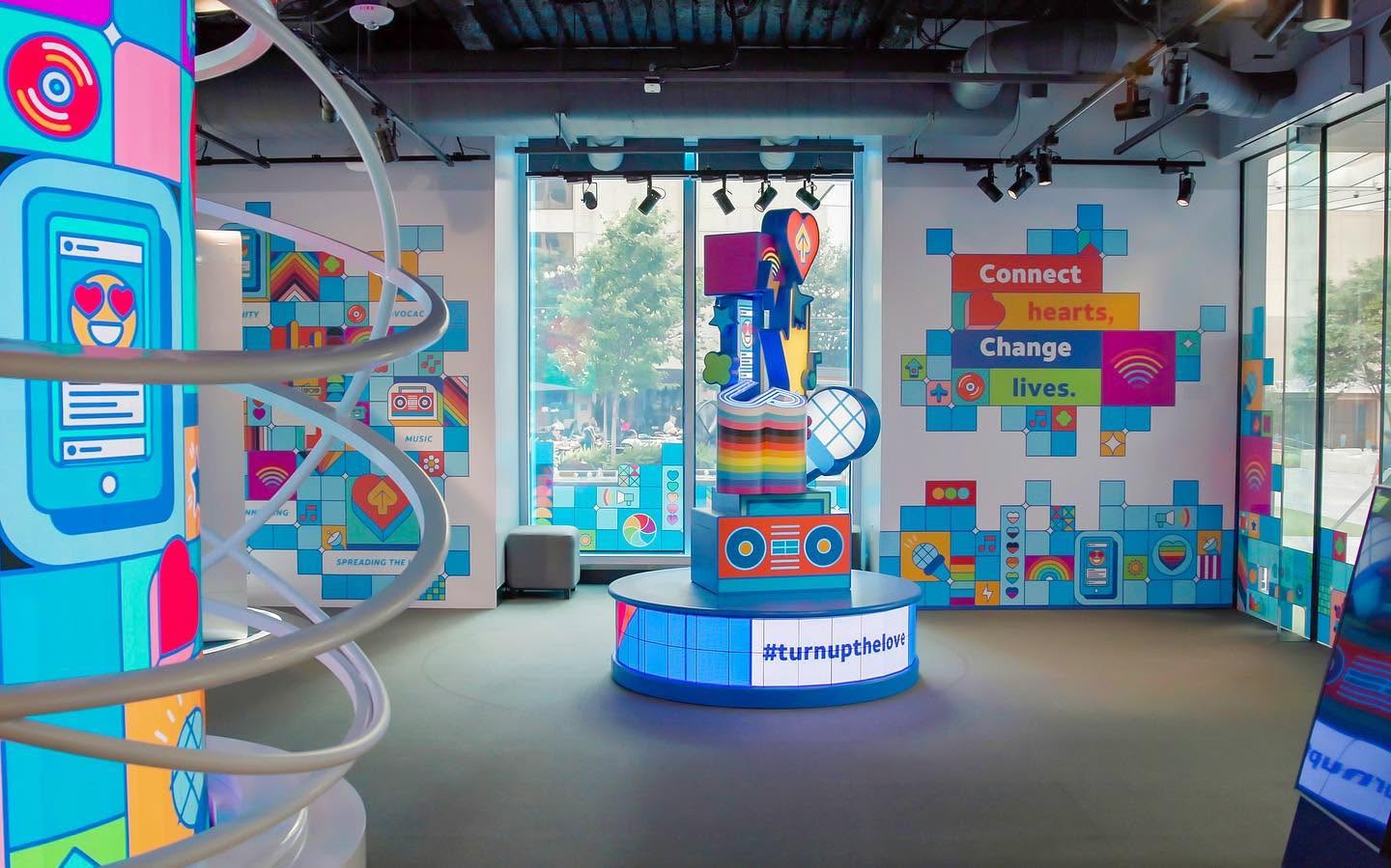
How do you make a long-standing community relationship felt rather than explained?
How do you make an unfamiliar financial brand believable to American investors, and build a sellable product out of the answer?
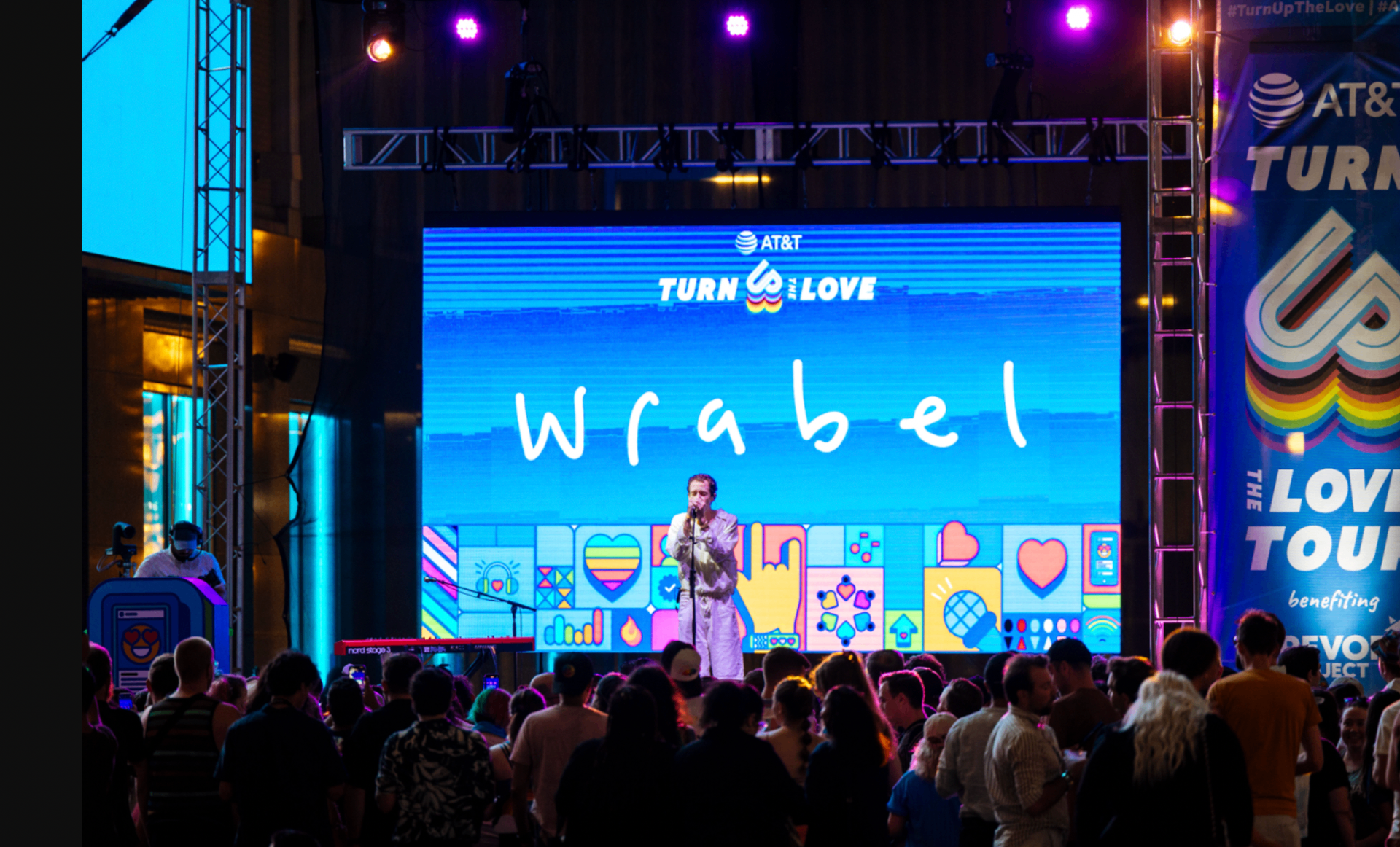
How do you earn trust from an audience that has learned to discount corporate participation in its culture?
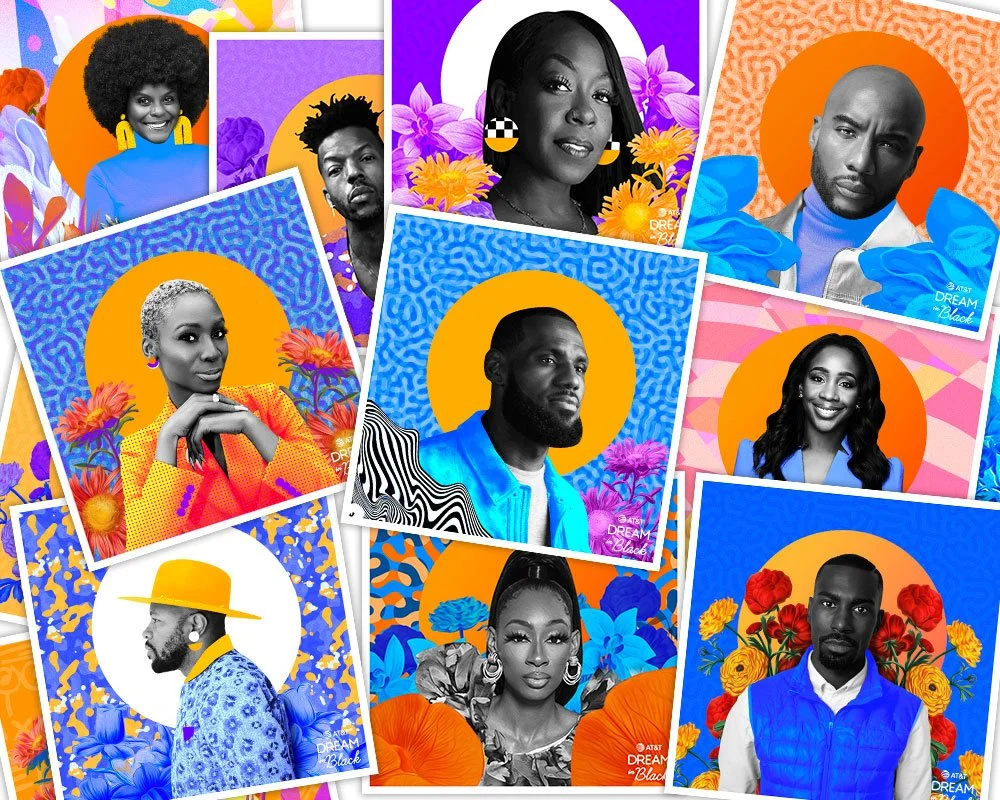
How does one of America's largest companies become a more meaningful participant in Black culture by creating value that extends beyond communications?
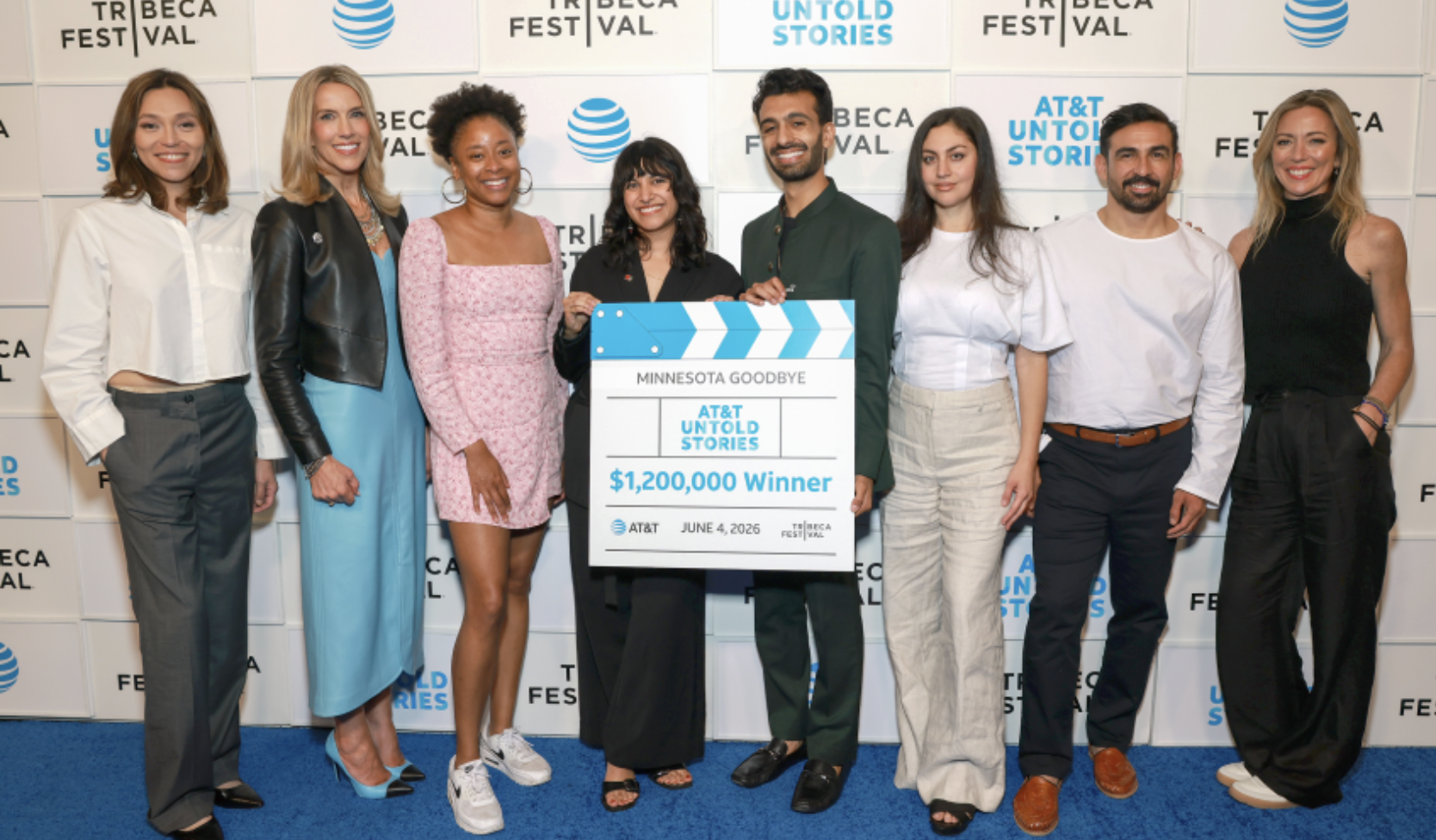
How does a brand earn standing inside an industry by underwriting the work rather than surrounding it with advertising?
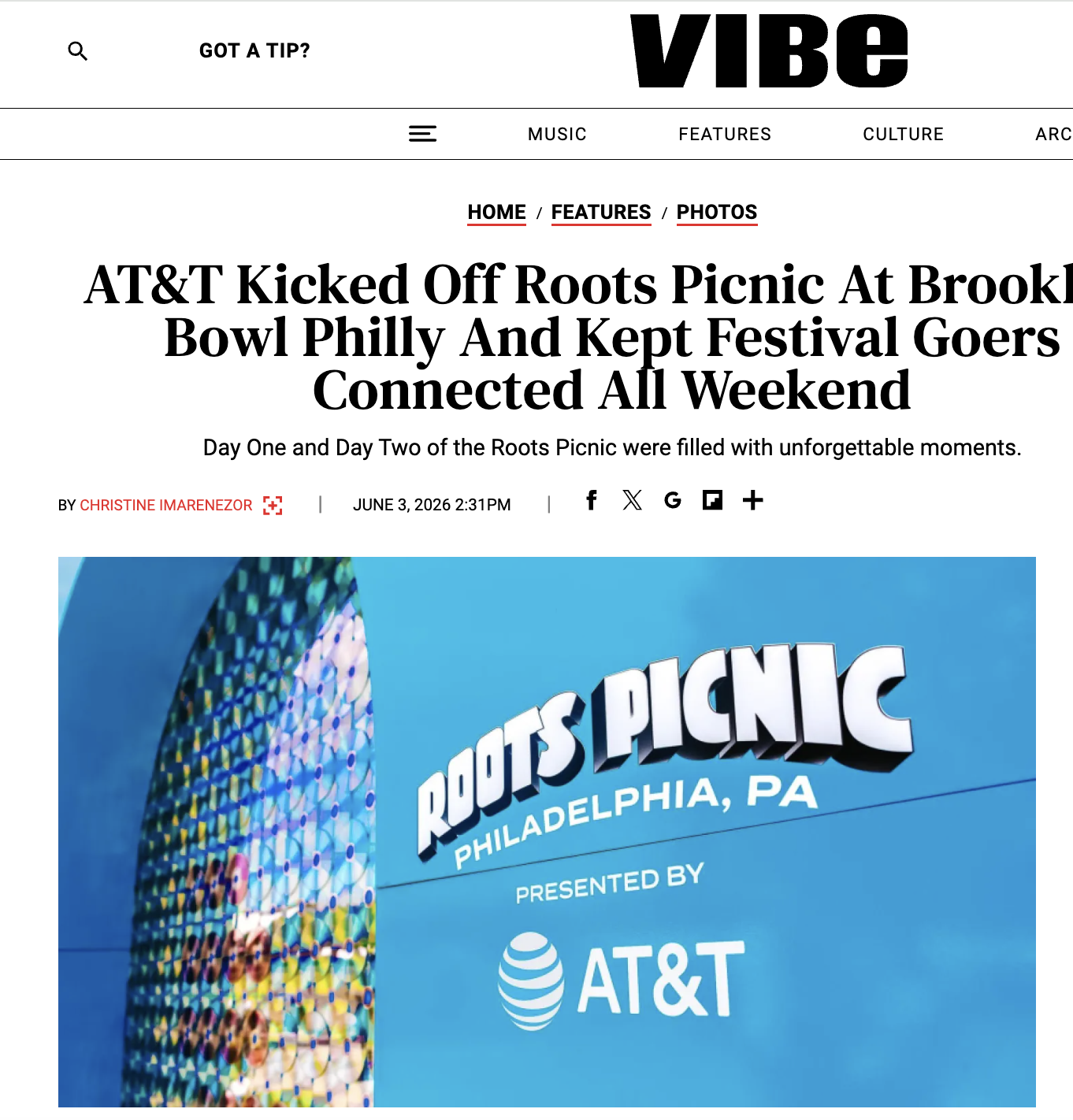
Where does a telecom's investment in music produce credit that compounds rather than credit that resets each year?

How does a brand scale a founder-led movement without taking it over, or diluting the voice that made it worth scaling?
How does a legacy media franchise modernize its point of view without losing the audience that built it, or failing the audience it needs next?
How does a new streaming platform launch inside the most crowded media weekend of the year, and become one of the stories, not a footnote to someone else's?