The Song that Saves Lives
How years of cultural credibility became an original anthem with Wrabel, a music video filmed inside a real Pride celebration, a national tour and a streaming release benefiting The Trevor Project.

By 2023 AT&T Turn Up the Love had spent years showing up for the LGBTQ+ community through music, storytelling, nonprofit partnerships and live experiences. That history mattered, because it gave us permission to try something far more ambitious:
Create a pop song.
Not license one. Not sponsor an artist's release. Actually make music for the community we had been building with, and use that music to create both cultural and tangible value.
The result was “Turn Up the Love,” an original anthem by Wrabel, created in collaboration with me for AT&T's LGBTQ+ platform. Streaming proceeds benefited The Trevor Project, extending a long-running relationship between AT&T and an organization doing lifesaving work for LGBTQ+ young people.
The premise was simple: if we were going to ask people to listen, share and care about a piece of branded music, it needed to deserve a place in their lives independent of the brand behind it.
That meant starting with an artist whose voice carried genuine emotional credibility.
Wrabel had already established himself as one of pop music's most emotionally direct songwriters and an artist deeply connected to the LGBTQ+ community. Together, we developed a song around an idea that had always been central to Turn Up the Love: that visibility, connection and joy can themselves be acts of support.
The ambition was not to write an advertising jingle disguised as a pop song.
It was to create a real record.
A song someone might discover on a Pride playlist without knowing AT&T had anything to do with it. A song people could sing together. A song that could live on streaming platforms, onstage, in stores and throughout the broader culture surrounding Pride.
And importantly, every stream could do something beyond generating attention. Proceeds from the song supported The Trevor Project, connecting listening directly to impact.
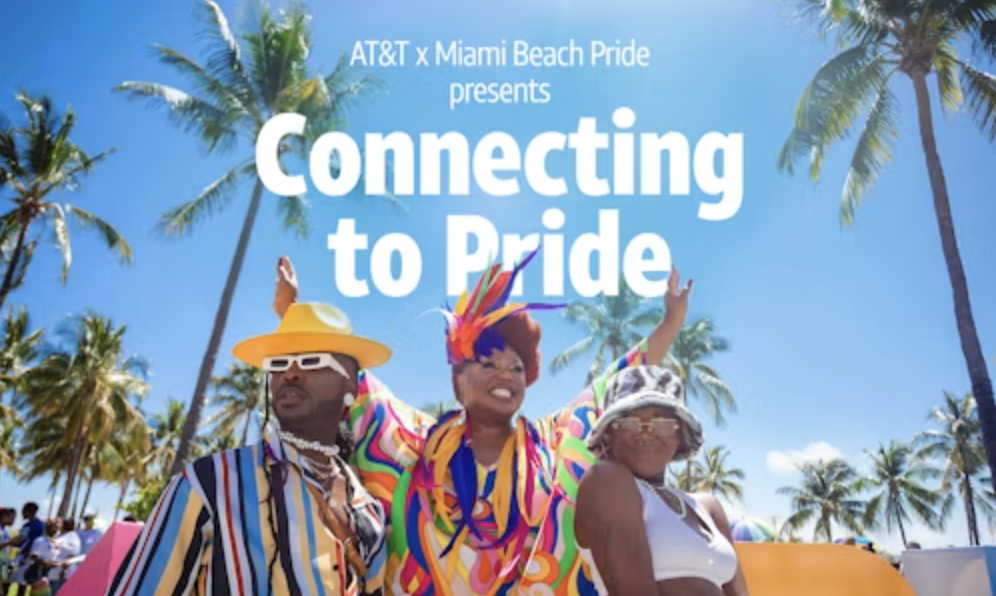
We premiered the song in 2023 at Miami Beach Pride, one of the first major Pride celebrations of the year.
Director Connor Malbeouf filmed the music video there, allowing the community itself to become part of the work. Instead of recreating Pride on a soundstage, the video captured the energy of an actual celebration: people gathering, performing, dancing and showing up exactly as themselves.
Miami gave us something advertising rarely can manufacture: real cultural texture.
The premiere also established the song not simply as a piece of content, but as something meant to move through the community.
From there, it did.
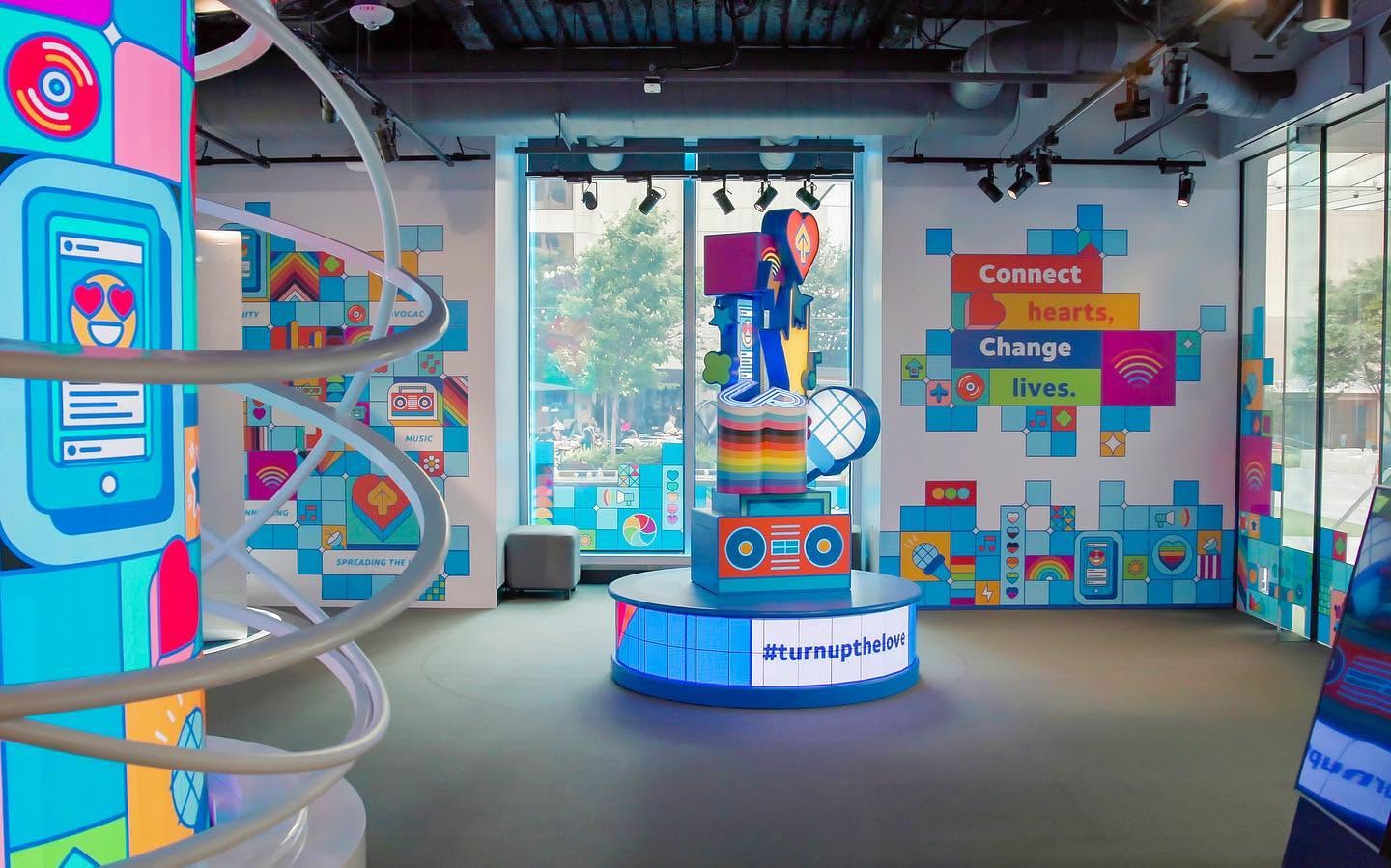
The video began playing across AT&T retail stores. The song entered AT&T environments as well. It appeared on Pride playlists, generated media coverage and began reaching listeners far beyond the audiences who had encountered the campaign directly.
That movement was critical.
Because the most powerful cultural marketing rarely stays confined to the media placements a brand buys for it.
The next question was how to give the song a physical life.
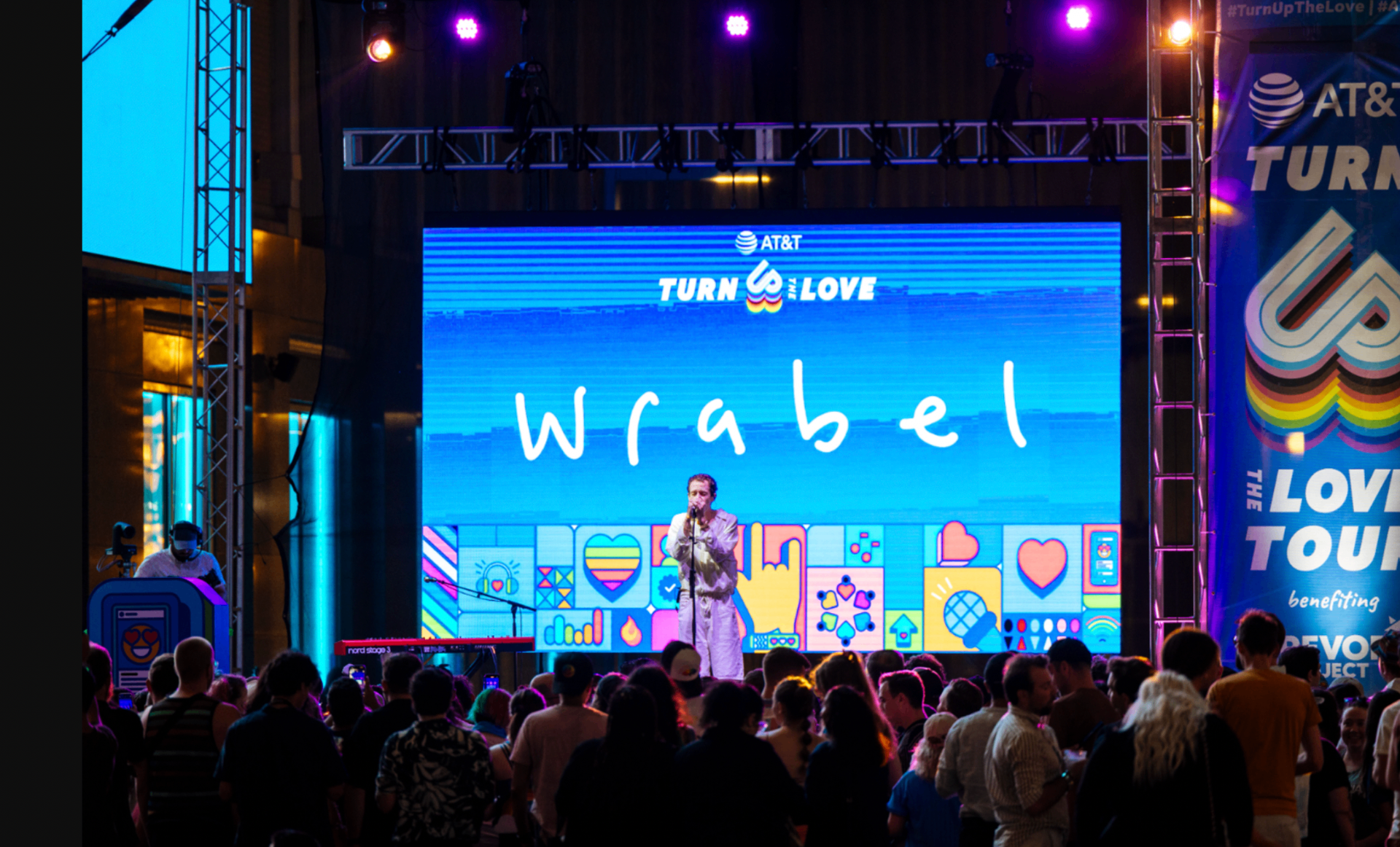
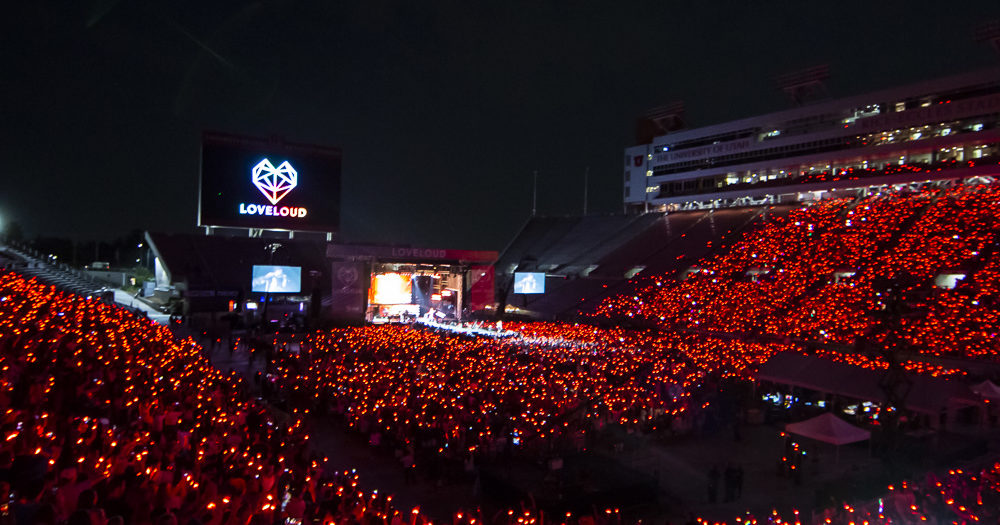
Wrabel joined the AT&T Turn Up the Love tour, performing for sold-out audiences across multiple markets alongside artists including Years & Years, Gigi Perez, Coco & Breezy and Slayyyter.
The tour transformed an anthem into an experience.
People who had encountered Turn Up the Love through a screen could now experience it collectively. Artists brought their own communities into the platform. Fans became participants. The work could be photographed, filmed, shared, discussed and remembered.
And AT&T was no longer simply appearing adjacent to LGBTQ+ culture.
We were creating infrastructure for people within that culture to connect with one another.
There is a moment in the development of a cultural marketing platform when the relationship between brand and audience can fundamentally change.
In the beginning, a brand usually borrows cultural equity. It sponsors established institutions, artists, festivals and organizations because they already possess trust, meaning and community.
Done well, those investments build credibility over time.
Eventually, however, the goal should be to contribute something that would not otherwise exist.
By 2023, Turn Up the Love had reached that stage.
AT&T had earned enough trust to create original music for the LGBTQ+ community, build an owned touring platform around it, distribute that work through its own ecosystem and use the resulting attention to support an organization serving LGBTQ+ youth.
That is the point at which sponsorship begins to become cultural authorship.
And it is where the economics of the platform became particularly interesting.
Among everything Turn Up the Love did that year, the anthem became the platform's most ROI-positive expression.
It generated the highest engagement, attracted the greatest share of earned attention and helped contribute to approximately 130 million earned media impressions across Turn Up the Love that year.
That performance was not incidental to the cultural ambition.
It was a consequence of it.
One creative idea produced a music release, a video, streaming inventory, retail content, editorial opportunities, social content, live performances, artist amplification, earned media and a touring property.
Each expression made the others more valuable.
The song gave the tour an anthem.
The tour gave the song an audience.
The music video gave both a visual identity.
Retail distribution created scale.
Artists created cultural credibility.
The Trevor Project gave every stream a larger purpose.
Earned media extended the life of the entire ecosystem.
Instead of building a series of disconnected Pride activations, we had created an idea capable of generating its own momentum.

For me, the Turn Up the Love anthem remains one of the clearest examples of what cultural marketing can become.
It begins with understanding the community well enough to know what a brand can credibly contribute.
It requires patience. You cannot manufacture permission overnight.
It requires creating something with value outside the brand itself.
And once that value exists, marketing becomes less about inserting a brand into culture and more about helping culture move.
A song travels.
Artists carry it.
Fans reinterpret it.
Playlists circulate it.
Live audiences turn it into a shared experience.
Media gives it another life.
And in this case, every stream could also help support young LGBTQ+ people who needed someone on the other end of the line.
We set out to create an anthem.
What we ultimately created was a piece of culture capable of carrying the entire platform with it.
What AT&T’s collaborations with Temi Coker, Handel Eugene and Zipeng Zhu taught me about cultural meaning, mutual value and the power of putting brand scale behind an artist’s vision.

How do you turn years of earned community trust into work that deserves a place in people's lives independent of the brand behind it?


How do you make a long-standing community relationship felt rather than explained?

How do you make an unfamiliar financial brand believable to American investors, and build a sellable product out of the answer?

How do you earn trust from an audience that has learned to discount corporate participation in its culture?

How does one of America's largest companies become a more meaningful participant in Black culture by creating value that extends beyond communications?

How does a brand earn standing inside an industry by underwriting the work rather than surrounding it with advertising?

Where does a telecom's investment in music produce credit that compounds rather than credit that resets each year?

How does a brand scale a founder-led movement without taking it over, or diluting the voice that made it worth scaling?

How does a legacy media franchise modernize its point of view without losing the audience that built it, or failing the audience it needs next?

How does a new streaming platform launch inside the most crowded media weekend of the year, and become one of the stories, not a footnote to someone else's?