Perspective 06 · 8 min read
Building Brands That Communities Choose
The strongest partnerships start with serving a community need.
Robert Vincent Hébert

The strongest partnerships start with serving a community need.
Corporations often ask how they can become more relevant to an audience. The instinct is usually to look outward. To find the right celebrity, the right sponsorship, the right event, and build the right campaign.
I've found the opposite to be true. The most successful partnerships begin by looking inward and asking a more difficult question: What problem can we genuinely help solve? When a company contributes something meaningful before asking for a transaction, it earns something advertising alone cannot buy. Trust.
That belief shaped one of the most meaningful partnerships of my career.
In 2018, while leading cultural marketing for an international telecommunications company, we wanted to become more relevant to LGBTQ+ consumers. The easy approach would have been another Pride campaign. The better approach was understanding what the community actually needed.
That led us to The Trevor Project.
Demand for its crisis intervention services was growing rapidly. More LGBTQ+ young people were reaching out for help than the organization could support through text and chat. Instead of asking how the brand could sponsor Pride, we asked: How could the organization help change the trajectory of this nonprofit and contribute to the community?
The answer became a $1 million commitment to The Trevor Project, the largest corporate donation in the organization's history at the time. It was exactly what the organization needed to scale its services to 24/7 across phone, text, and chat.
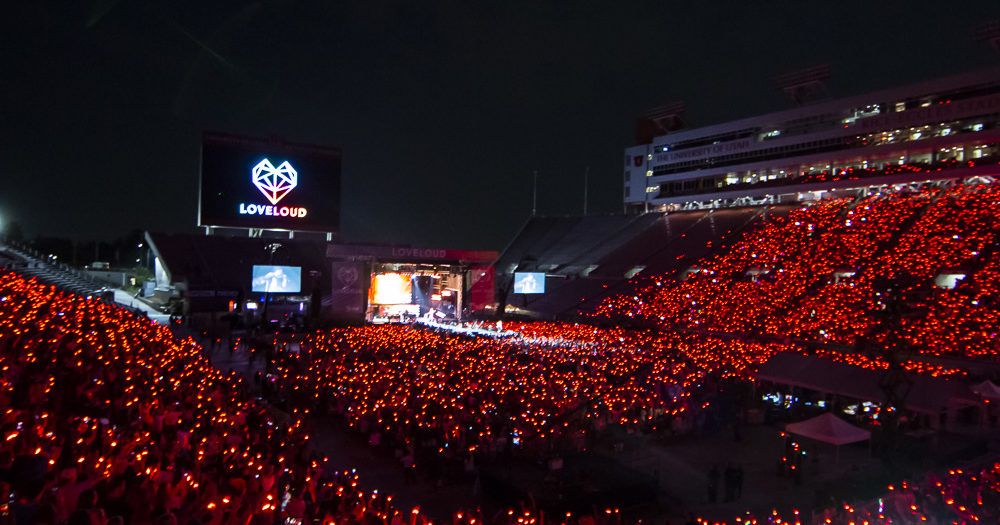
The partnership was announced on stage during iHeartRadio's Wango Tango in 2018. The announcement wasn't the campaign. It was the beginning of a long-term platform.
The videos below document the evolution of the partnership from the original announcement through community storytelling, crisis awareness, and long-term platform building.
Tyler Oakley Brings it To Life
An invitation to reach out.
Trevor Project PSA with Kalen Allen.
Authentic Talent Add Vital Context
The Partnership Continues to Serve the Audience
Many corporate partnerships begin with a donation. Too many end there. We believed the real opportunity wasn't simply funding The Trevor Project, it was powering it and connecting the audience to its services. Helping more young people in crisis to discover and utilize it.
Working alongside Imagine Dragons' Dan Reynolds and a remarkable group of LGBTQ+ artists, creators, activists, and community voices, we created a series of public service announcements encouraging young people to reach out if they were struggling. Not advertisements, but invitations to connect to safety, support, and understanding.
We distributed the PSAs across social and digital platforms, intentionally reaching young LGBTQ+ audiences who might never have heard of The Trevor Project. Marketing became a bridge between people in crisis and an organization built to help them.
It’s one of the most meaningful things I've ever had the privilege to work on. Most marketers are not saving lives. The truth is, I actually was.
The strongest partnerships continue listening after they're launched. As the LGBTQ+ community evolved, so did the platform. Community leaders identified that transgender and nonbinary young people needed greater visibility and support.
Rather than repeating what had worked before, we produced The Love Connection, encouraging more young people to discover both The Trevor Project and TrevorSpace, its peer-support community.
The platform continued evolving because the community's needs continued evolving. That's what authentic partnership requires.
One of the biggest misconceptions in marketing is that purpose and commercial success exist in tension. The best partnerships prove the opposite.
As trust in the platform grew, we introduced programs that allowed customers to unlock additional donations through qualifying purchases. Every eligible purchase generated another contribution to The Trevor Project.
The customer received meaningful value. The nonprofit received additional funding. The brand strengthened relationships with consumers who wanted their purchasing decisions to create positive impact.
Purpose became part of the value exchange, not because it drove sales but because it made the purchase more meaningful.
This partnership permanently changed how I think about marketing. Marketing doesn't create trust, but it can create opportunities to earn it. And once you do, taking the next step with a consumer requires less effort.
A successful partnership creates association. The best ones contribute something meaningful to both parties.
In this case, the partnership helped expand crisis intervention services, introduced more LGBTQ+ young people to life-saving resources, created a long-term cultural platform for the business, and demonstrated that commercial growth and community impact can reinforce one another rather than compete.
The work was recognized with multiple industry honors, including the Golden Halo Award, but the recognition wasn't what mattered most. The partnership mattered because it improved lives. Everything else followed.
On the day this partnership received the Golden Halo Award, I joined leaders from The Trevor Project to discuss how the partnership was built, why it worked, and what other organizations can learn about building partnerships that create lasting value for both communities and brands.
Authenticity is one of the few things marketing can't manufacture. Communities decide whether a brand has earned it. The organizations that earn the right to matter are rarely the ones that spend the most on marketing.
They're the ones that contribute something meaningful before asking to be chosen in return.
That's the kind of partnership I tend to build, and I believe it's the mantle of brand leadership.
What AT&T’s collaborations with Temi Coker, Handel Eugene and Zipeng Zhu taught me about cultural meaning, mutual value and the power of putting brand scale behind an artist’s vision.

How do you turn years of earned community trust into work that deserves a place in people's lives independent of the brand behind it?
How do you make a long-standing community relationship felt rather than explained?
How do you make an unfamiliar financial brand believable to American investors, and build a sellable product out of the answer?
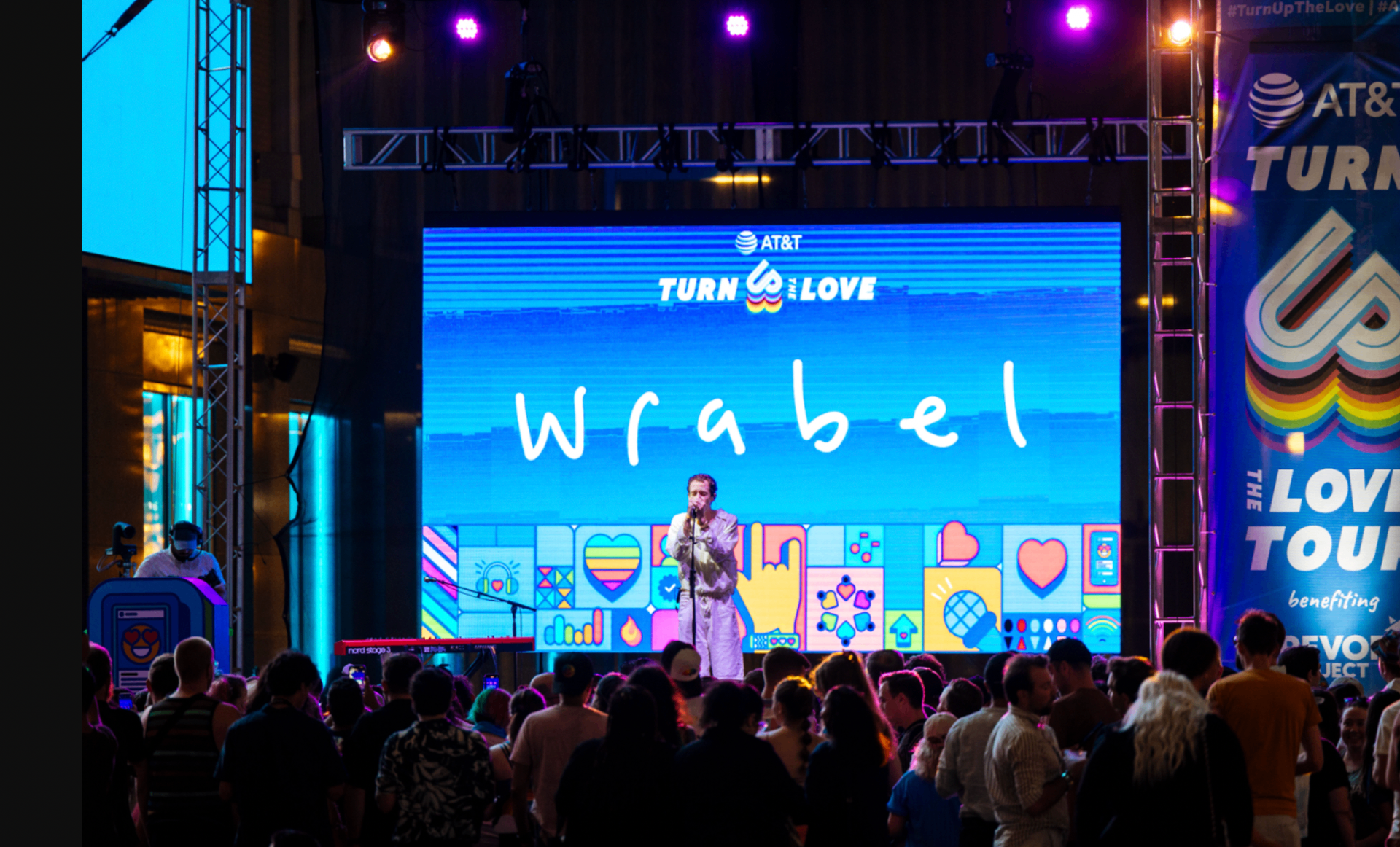
How do you earn trust from an audience that has learned to discount corporate participation in its culture?
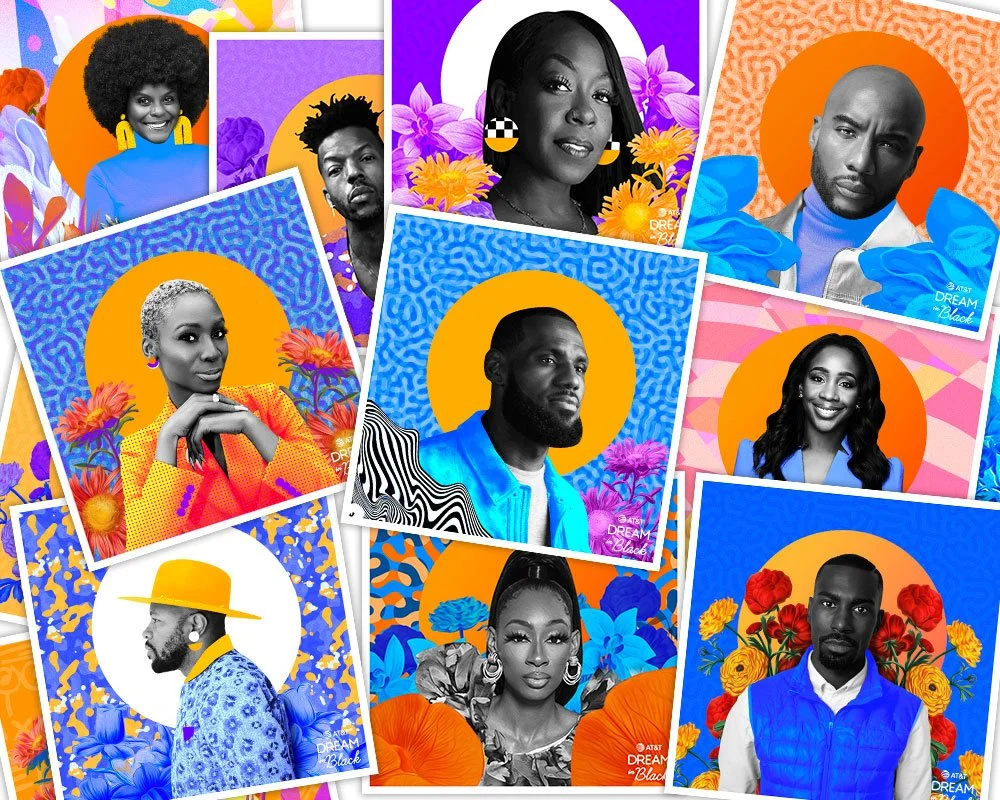
How does one of America's largest companies become a more meaningful participant in Black culture by creating value that extends beyond communications?
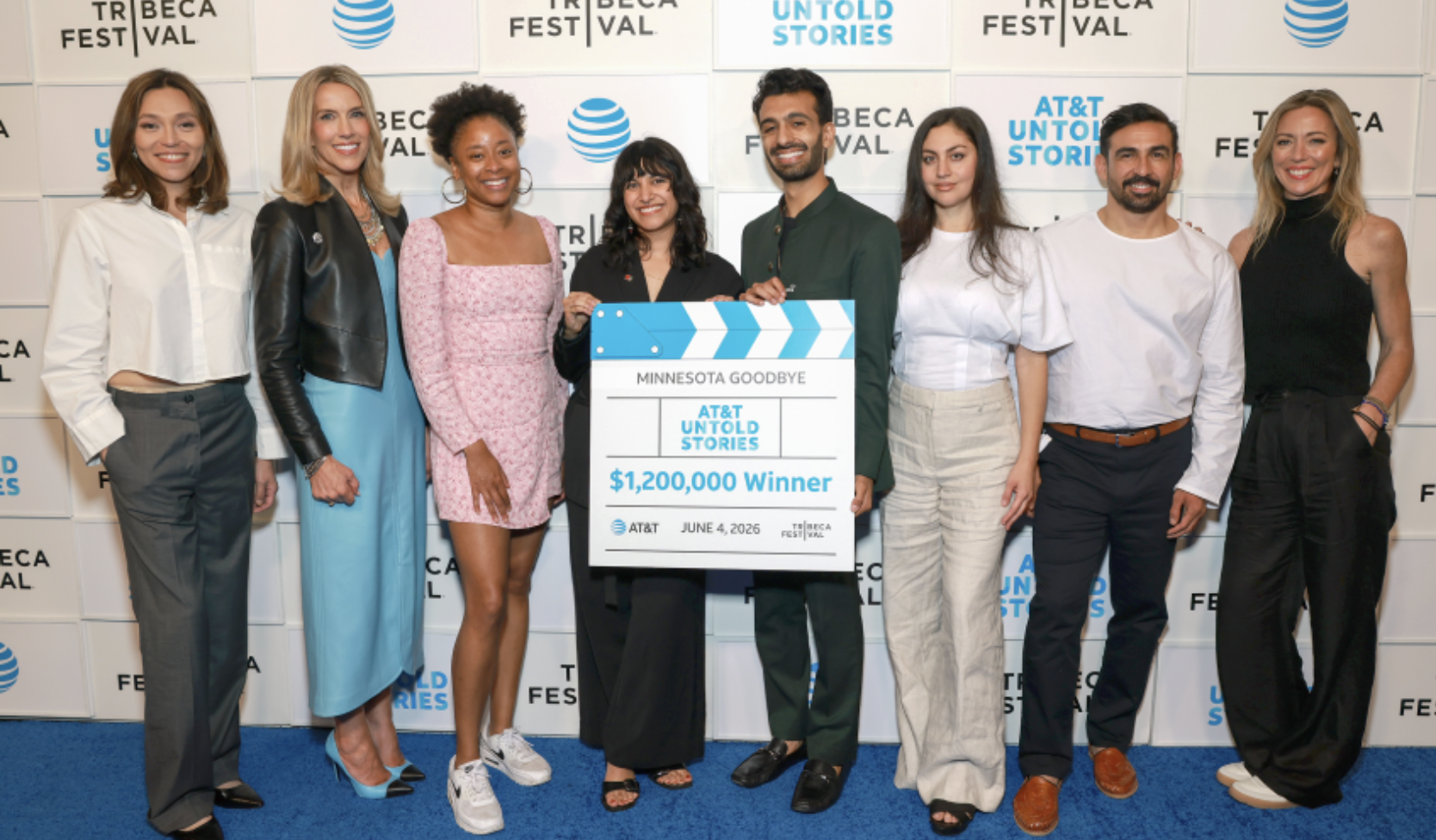
How does a brand earn standing inside an industry by underwriting the work rather than surrounding it with advertising?
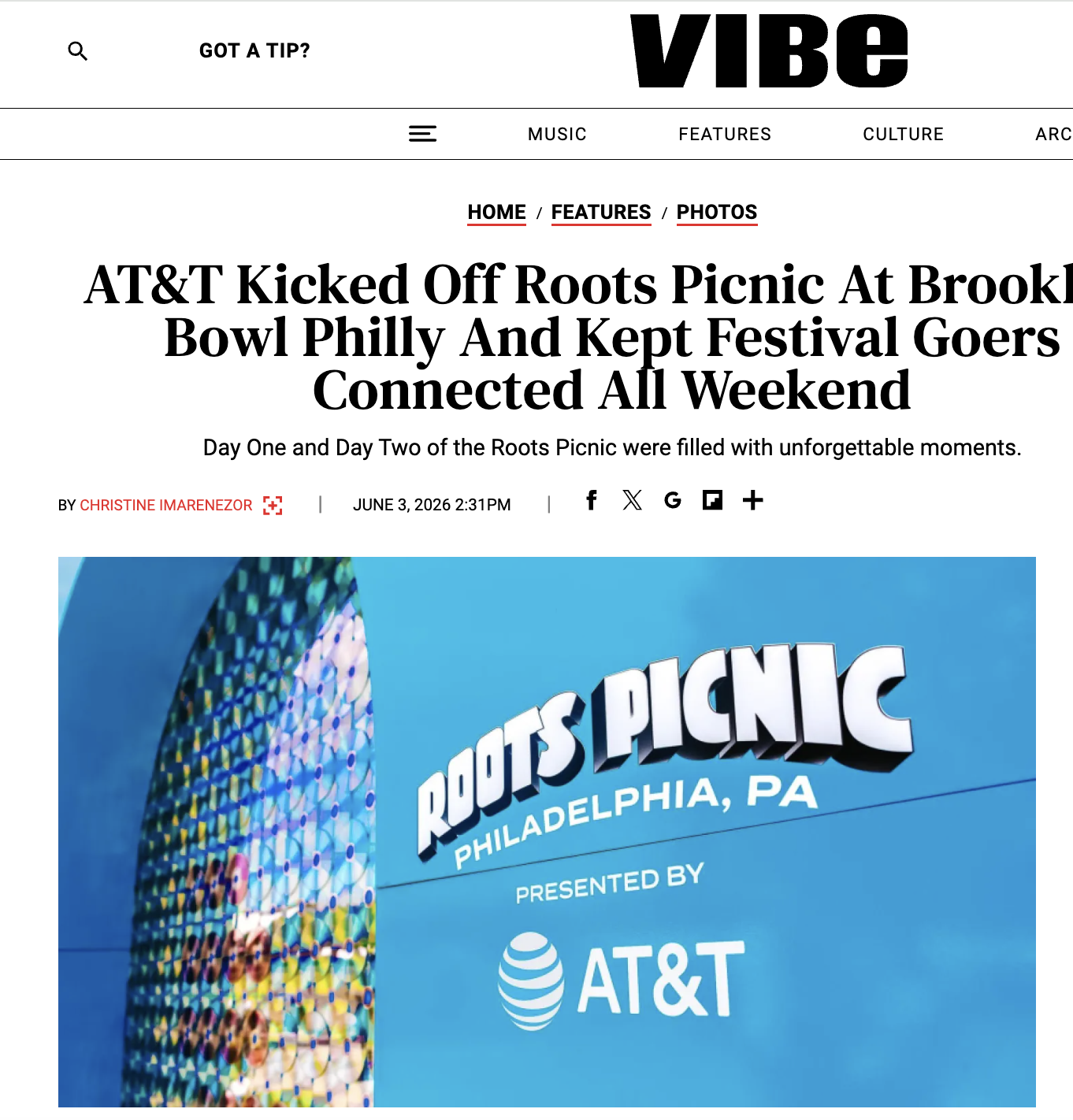
Where does a telecom's investment in music produce credit that compounds rather than credit that resets each year?
How does a brand scale a founder-led movement without taking it over, or diluting the voice that made it worth scaling?
How does a legacy media franchise modernize its point of view without losing the audience that built it, or failing the audience it needs next?
How does a new streaming platform launch inside the most crowded media weekend of the year, and become one of the stories, not a footnote to someone else's?