Perspective 08 · 6 min read
Building Credibility with Skeptical Audiences
How do you earn trust from an audience that has learned to discount corporate participation in its culture?
Robert Vincent Hébert

How do you earn trust from an audience that has learned to discount corporate participation in its culture?
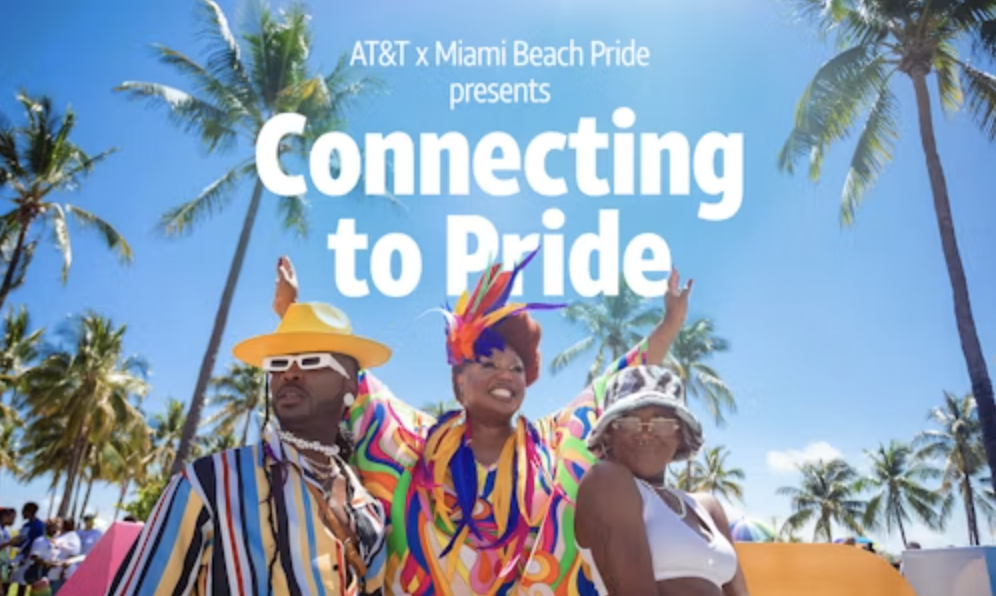
How do you earn trust from an audience that has learned to discount corporate participation in its culture? For nearly a decade I led cultural marketing for a national telecommunications company, and this was the question behind one of the most instructive programs I built.
The brand had shown up in Pride for a decade, but visibility had stopped moving preference among LGBTQ+ households. The community had learned to distinguish presence from participation, and was grading brands accordingly.
Belonging is a design problem, not a marketing problem. The brand had to build the room before it could host a party in it, investing in artists, community organizations, and civic infrastructure before asking for cultural credit.
We retired the annual campaign cycle and built a multi-year cultural platform. Investment moved upstream, into artists, community organizations, and civic partners, and the brand agreed to be credited last.
We reframed Pride participation as multi-year contribution rather than annual sponsorship. We moved investment upstream, credited the brand last, and held the program to standards employees would defend inside the company.
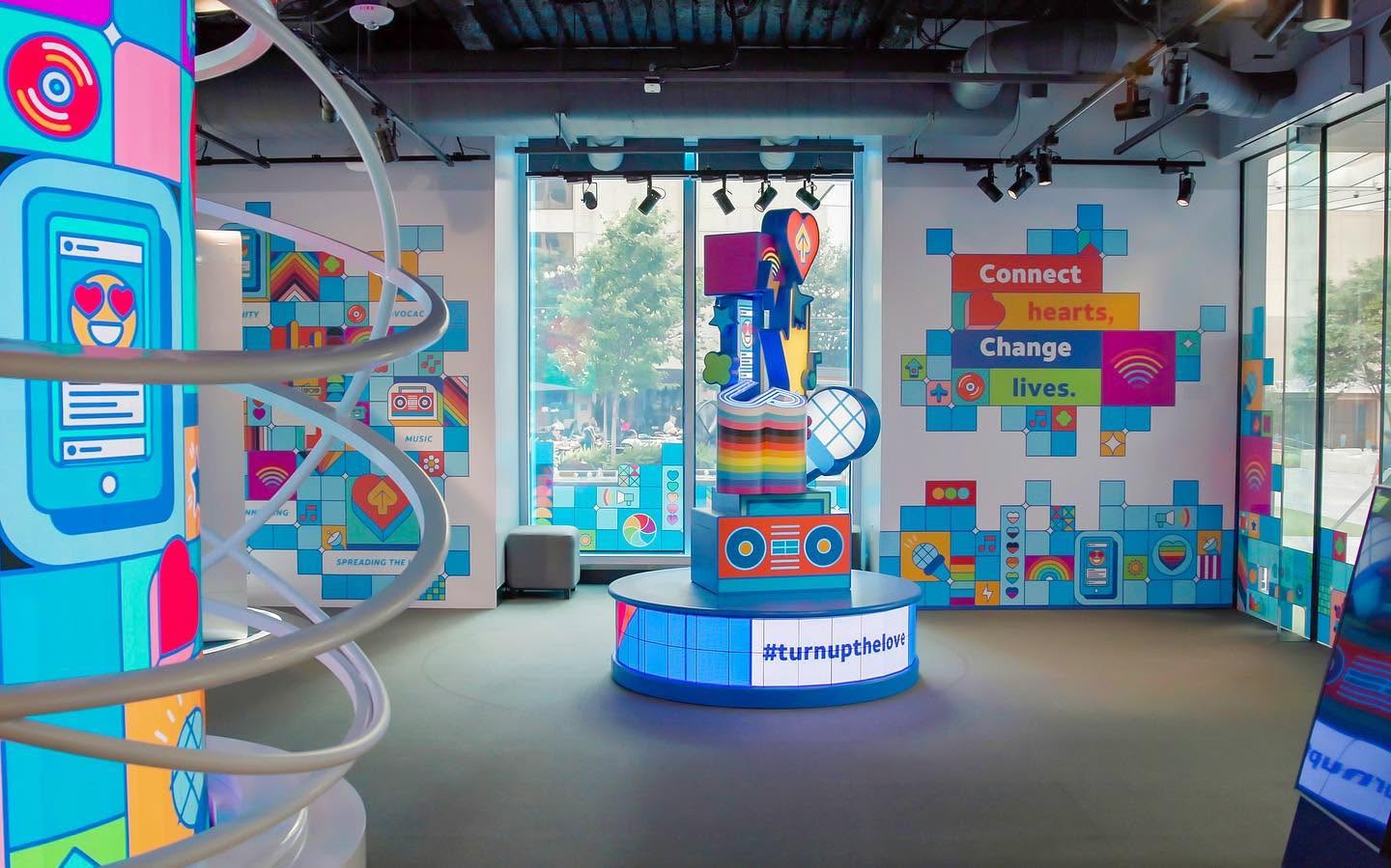
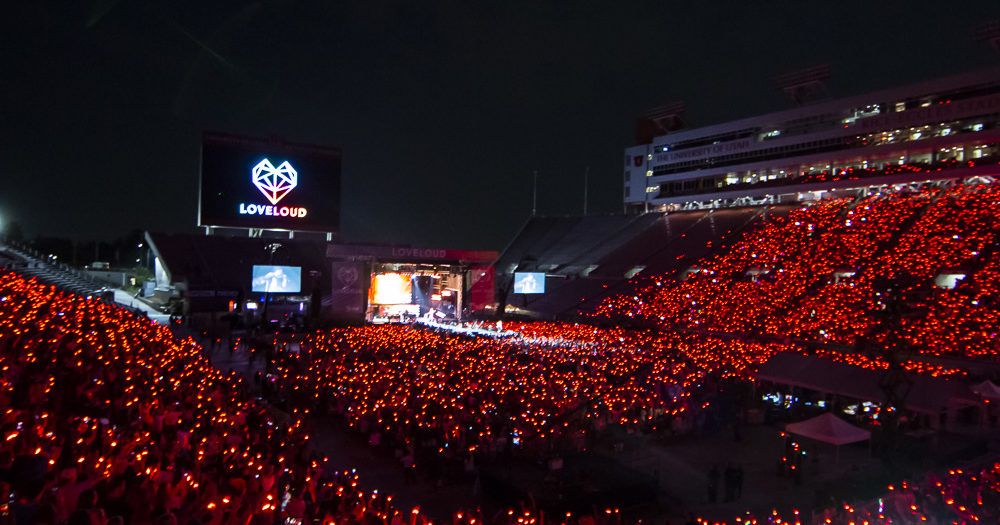
Turn Up the Love ran on an annual cycle, original music, a live production platform, employee programming, retail activation, and grants to LGBTQ+ community organizations, coordinated on a single strategic calendar.
Multi-year growth in consideration among LGBTQ+ households, measurable lift in employee sentiment, and industry recognition across Cannes, Effie, and Shorty Awards. The program became a category benchmark for corporate participation in culture.
Brand perception rose 43 points, consideration rose 27 points, and the platform drove $40M in lifetime value from new subscribers. It became a category benchmark for how a corporation participates in a culture that is not its own.
The most durable brand programs are the ones a company would be embarrassed to stop running.
What AT&T’s collaborations with Temi Coker, Handel Eugene and Zipeng Zhu taught me about cultural meaning, mutual value and the power of putting brand scale behind an artist’s vision.

How do you turn years of earned community trust into work that deserves a place in people's lives independent of the brand behind it?
How do you make a long-standing community relationship felt rather than explained?
How do you make an unfamiliar financial brand believable to American investors, and build a sellable product out of the answer?
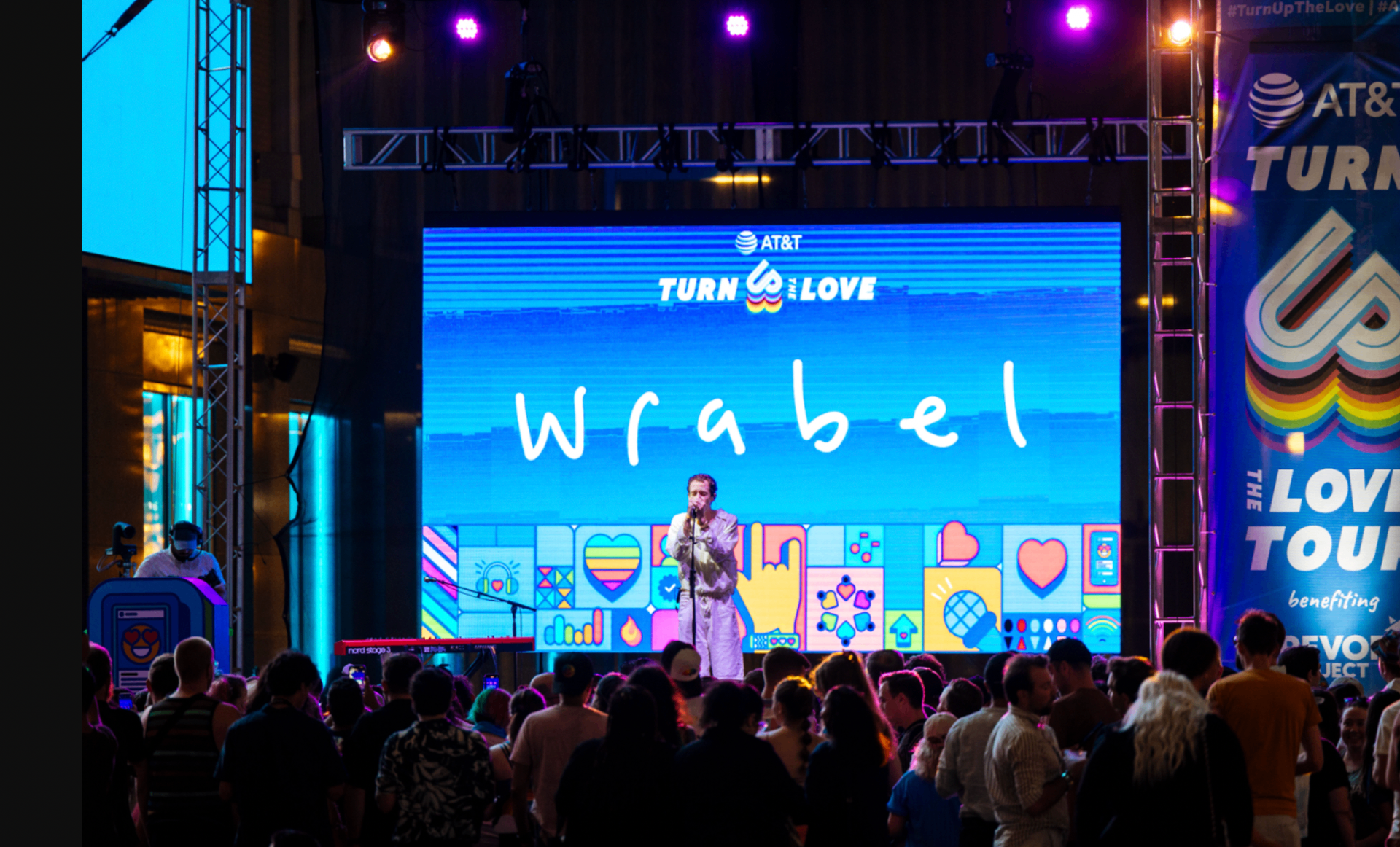
How do you earn trust from an audience that has learned to discount corporate participation in its culture?
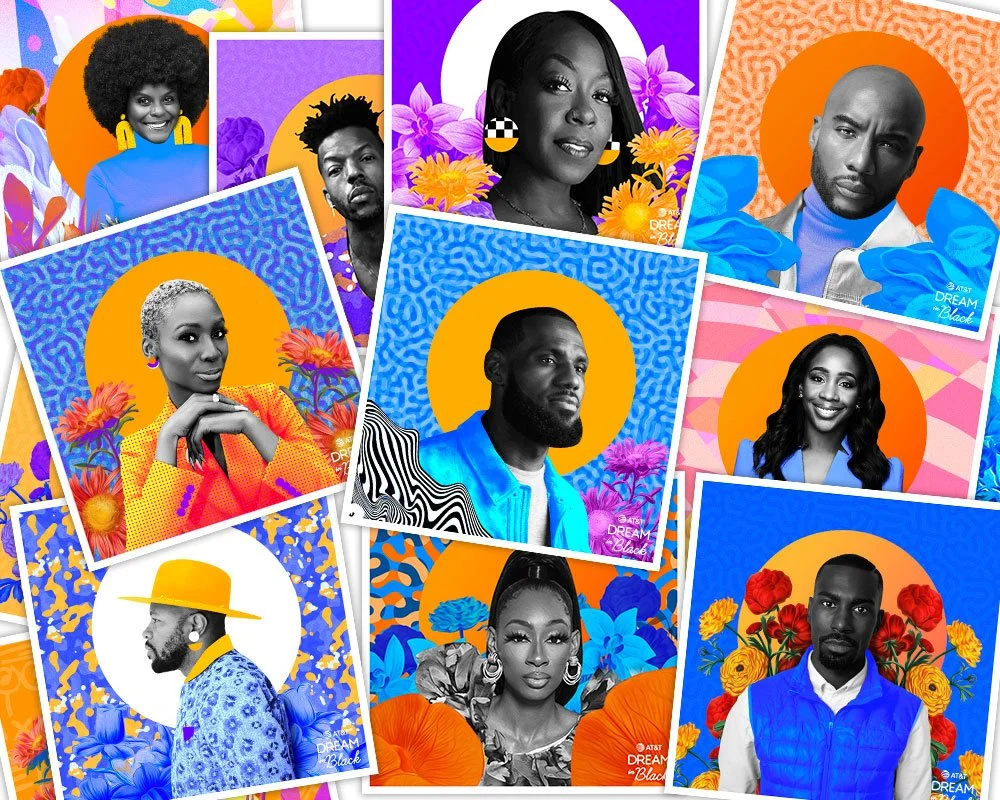
How does one of America's largest companies become a more meaningful participant in Black culture by creating value that extends beyond communications?
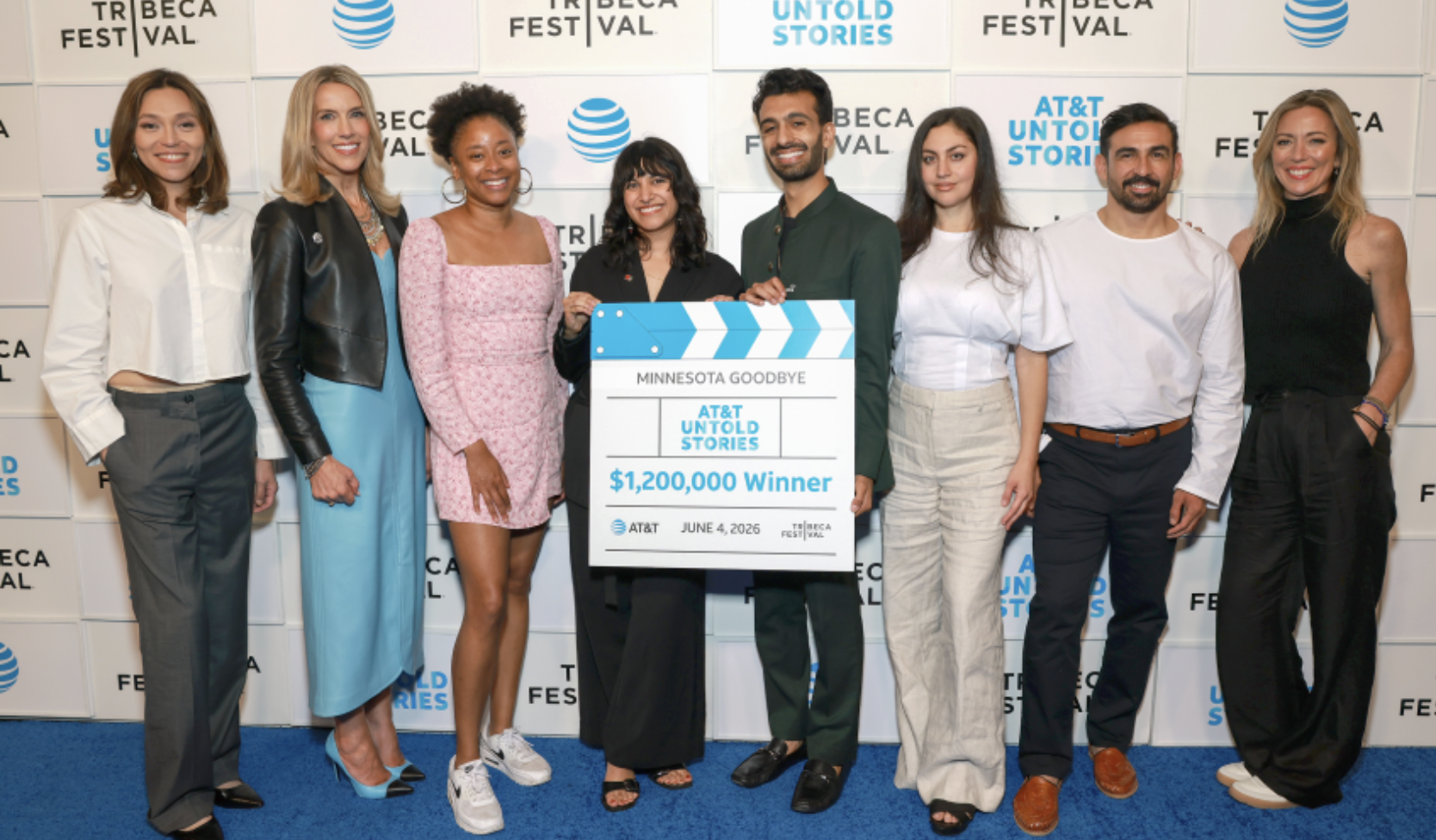
How does a brand earn standing inside an industry by underwriting the work rather than surrounding it with advertising?
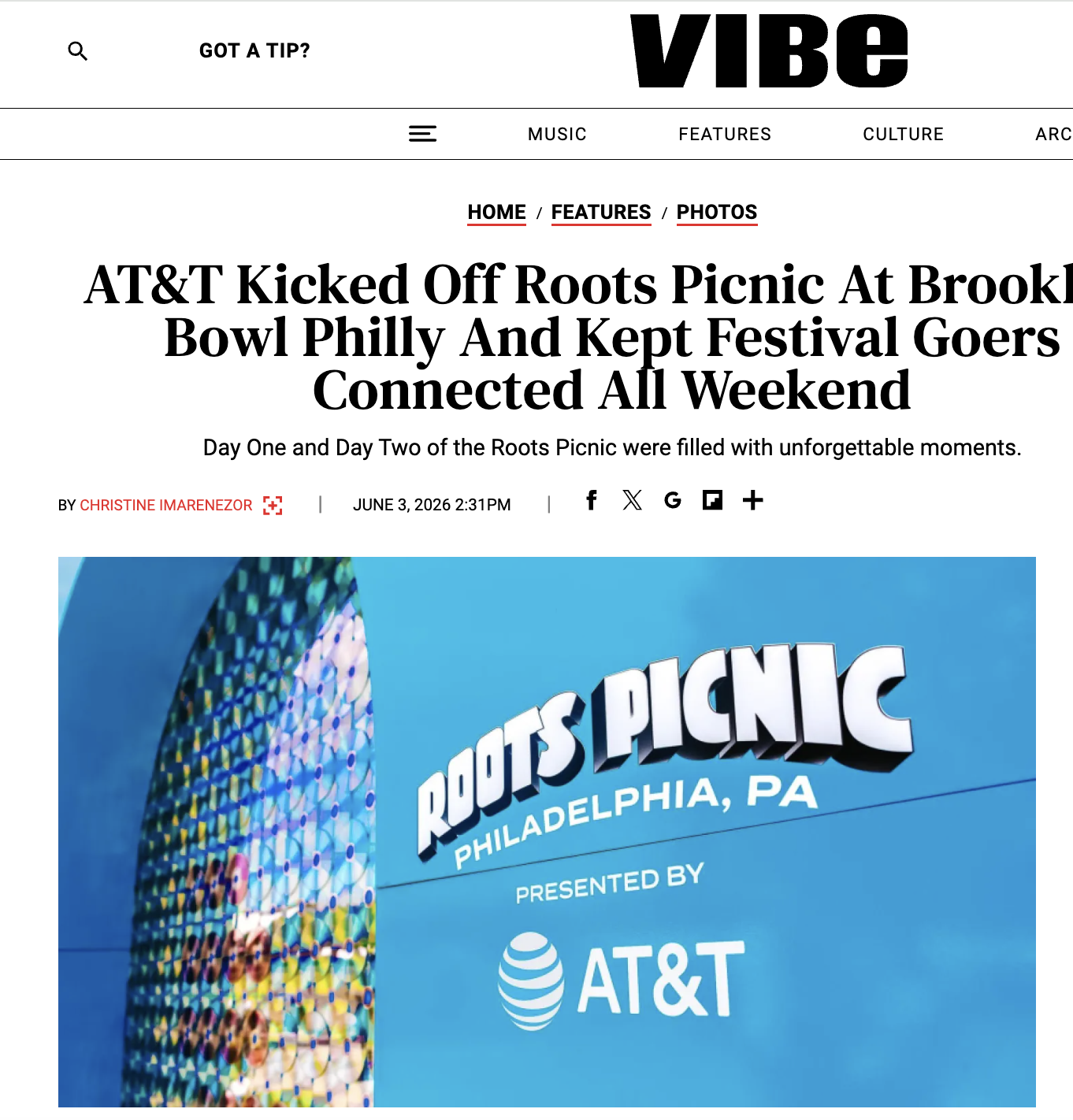
Where does a telecom's investment in music produce credit that compounds rather than credit that resets each year?
How does a brand scale a founder-led movement without taking it over, or diluting the voice that made it worth scaling?
How does a legacy media franchise modernize its point of view without losing the audience that built it, or failing the audience it needs next?
How does a new streaming platform launch inside the most crowded media weekend of the year, and become one of the stories, not a footnote to someone else's?