Perspective 03 · 8 min read
Be Bold. Or Be Forgotten.
Lessons from a Campaign I Couldn't Make Today. What The Love Connection taught me about bravery, community, and how meaningful brands are built through tension.
Robert Vincent Hébert ·

Lessons from a Campaign I Couldn't Make Today. What The Love Connection taught me about bravery, community, and how meaningful brands are built through tension.

Five episodes. Read the comments as you go.
If your campaign doesn't generate conversation, it probably isn't building your brand.
The most successful campaign of my career almost became a crisis.
It won multiple industry awards. It generated extraordinary engagement. It strengthened the brand with precisely the audience we intended to reach. It also became one of the first times I watched online misinformation attempt to redefine a campaign in real time.
That experience fundamentally changed how I think about marketing.
When we launched The Love Connection, the brief was show AT&T cares about mental health. What happened became a much bigger lesson about meaning. Meaning doesn't emerge from passive consumption. It emerges from conversation. Brands acquire meaning through the conversations they create.
The brief was straightforward. During COVID, mental health had become part of the national conversation, and AT&T wanted to acknowledge that moment while reinforcing its partnership with The Trevor Project. The creative opportunity emerged from asking a different question.
If The Trevor Project exists because LGBTQ+ young people experience disproportionately high rates of mental health challenges, whose stories make that reality impossible to ignore?
The answer was transgender and nonbinary creators. Their experiences gave the issue urgency, humanity, and specificity. Mental health wasn't an abstract topic in their lives. It was part of their daily experience.
ATTN:, our production and media partner, initially proposed creators who largely reflected the most visible corners of LGBTQ+ culture. I pushed in another direction. I wanted stories audiences hadn't already heard, stories that revealed something unfamiliar about belonging, rejection, resilience, and identity. My only non-negotiable was simple. Tell true stories. Audiences don't need inspiration wrapped inside a brand campaign. They recognize honesty when they see it.
We were equally deliberate about the brand's role. AT&T wasn't the protagonist. The company existed to witness these stories with respect, amplify them responsibly, and connect viewers to an organization that had already earned credibility through years of life-saving work. “Connecting Changes Everything” carried weight because the company's partnership with The Trevor Project long predated the campaign itself.
I deliberately launched the series with Alok Vaid-Menon. Alok is one of the most thoughtful people I've worked with, and I believed that episode represented exactly what the series could become. It explored the social realities contributing to elevated mental health challenges among transgender and nonbinary people and invited audiences to consider experiences many had never encountered firsthand.
The campaign found its audience almost immediately. View-through rates exceeded expectations. Engagement was unusually strong. Viewers filled the comments with stories of their own lives, thanked the creators for articulating experiences they had struggled to explain, and described conversations they were now having with family members and friends.
That's when I knew the campaign was working. Conversation had become the measure of success. Within hours, long-debunked misinformation about Alok began circulating on Twitter. The film itself became secondary as false accusations spread through accounts that appeared far more interested in discrediting transgender people than discussing mental health. I had never seen anything quite like it.
The volume, coordination, and intensity revealed something much larger than criticism of a campaign. The stories explored the social realities that contributed to elevated mental health challenges among transgender and nonbinary people. Predictably, those realities became the focus of criticism as much as the stories themselves.
Inside the company, questions came quickly. Why this creator? Why launch with this episode? Had we misjudged the moment? Before answering any of those questions, I asked our leadership team to watch the film. They did.
The discussion changed immediately. The episode was thoughtful, compassionate, beautifully produced, and unmistakably human. The online narrative had very little to do with the work itself.
That experience revealed how quickly the environment surrounding a campaign becomes part of the campaign.
We shifted paid media away from Twitter, where misinformation had overtaken meaningful discussion. We partnered directly with Meta to strengthen moderation, protect productive conversation, and ensure the audience we had created the campaign for could experience it as intended. That decision permanently changed my understanding of community management.
Moderation is marketing because the conversation surrounding a campaign shapes its meaning just as much as the creative itself.
Every campaign creates two experiences. The first is the story you publish. The second is the conversation that follows. Most marketers devote extraordinary attention to producing the first while treating the second as an operational afterthought. I came to see them as inseparable. Every response, every interaction, and every moderation decision influences how the work is understood.
Among many things, I am an experiential marketer. I have been designing environments my entire career. Digital campaigns deserve the same discipline. The comments aren't adjacent to the campaign. They're part of the campaign.
The Love Connection also transformed how I think about audiences. Marketing briefs often imagine a monolithic target audience receiving a single message. Reality is far more interesting.
Every campaign reaches people in different places.
There are champions who immediately recognize themselves in the work. There is a movable middle that arrives curious but unconvinced. Neutral observers that haven't thought much about the subject. Skeptics who question the brand's motives. Lastly, there are opponents whose minds are fixed.
A mindset shift is needed. Successful campaigns have the power to move people, deepen conviction, and create conversation. They don't necessarily have to chase universal approval. Audiences aren't a problem to solve. They're the landscape every marketer should embrace and strategize for.
Champions strengthen their relationship with the brand. The movable middle begins to reconsider assumptions. Skeptics pressure-test whether the company's actions support its message. Even opponents contribute something valuable. They sharpen the edges of the brand's point of view, creating contrast that helps everyone else understand what the work actually stands for.
Every audience should be anticipated while the strategy should remain anchored in the audience you set out to serve.
With The Love Connection, I didn't set out to make a campaign about cultural change. I set out to make one about mental health. Yet, in fact, culture changed around the campaign, and responding to that shift taught me more about brand building than any campaign before or since. It also reinforced something I now believe deeply.
A campaign can only be as authentic as the business behind it. Brand perception is now constrained by business reality. Audiences evaluate both simultaneously. A brand is the sum of every decision a company makes: its products, partnerships, philanthropy, leadership, employee culture, customer experience, political engagement, and every other action that shapes public perception.
Marketing does not operate outside those realities. It has to market with them, through them, and sometimes even despite them.
I wouldn't recreate The Love Connection exactly as we made it today because every campaign enters a living culture whose values, expectations, and perceptions continue evolving long after the creative is finished. Great marketing recognizes that movement while remaining grounded in the people it set out to serve.
Here's my thesis. As marketers, we should spend less time asking whether people will like our work and more time asking whether they'll talk about it.
Ask yourself:
What does our brand genuinely believe?
What have we earned the right to say?
Who are we trying to move?
How can we harness the energy of champions and opponents to bolster the campaign?
How will the movable middle interpret the work?
What conversation are we intentionally creating?
Creative bravery follows from answering these strategic questions honestly.
If your campaign doesn't generate conversation, it's not building your brand.
Rather than ask you to take my word for it, I'd encourage you to experience The Love Connection yourself, then spend a few minutes reading the comments. You'll see empathy, curiosity, misinformation, advocacy. You'll see people attempting to change one another's minds. Most importantly, you'll watch a brand acquire meaning in real time.
Be bold. Don't be forgotten.
What AT&T’s collaborations with Temi Coker, Handel Eugene and Zipeng Zhu taught me about cultural meaning, mutual value and the power of putting brand scale behind an artist’s vision.

How do you turn years of earned community trust into work that deserves a place in people's lives independent of the brand behind it?

How do you make a long-standing community relationship felt rather than explained?

How do you make an unfamiliar financial brand believable to American investors, and build a sellable product out of the answer?
How do you earn trust from an audience that has learned to discount corporate participation in its culture?
How does one of America's largest companies become a more meaningful participant in Black culture by creating value that extends beyond communications?

How does a brand earn standing inside an industry by underwriting the work rather than surrounding it with advertising?
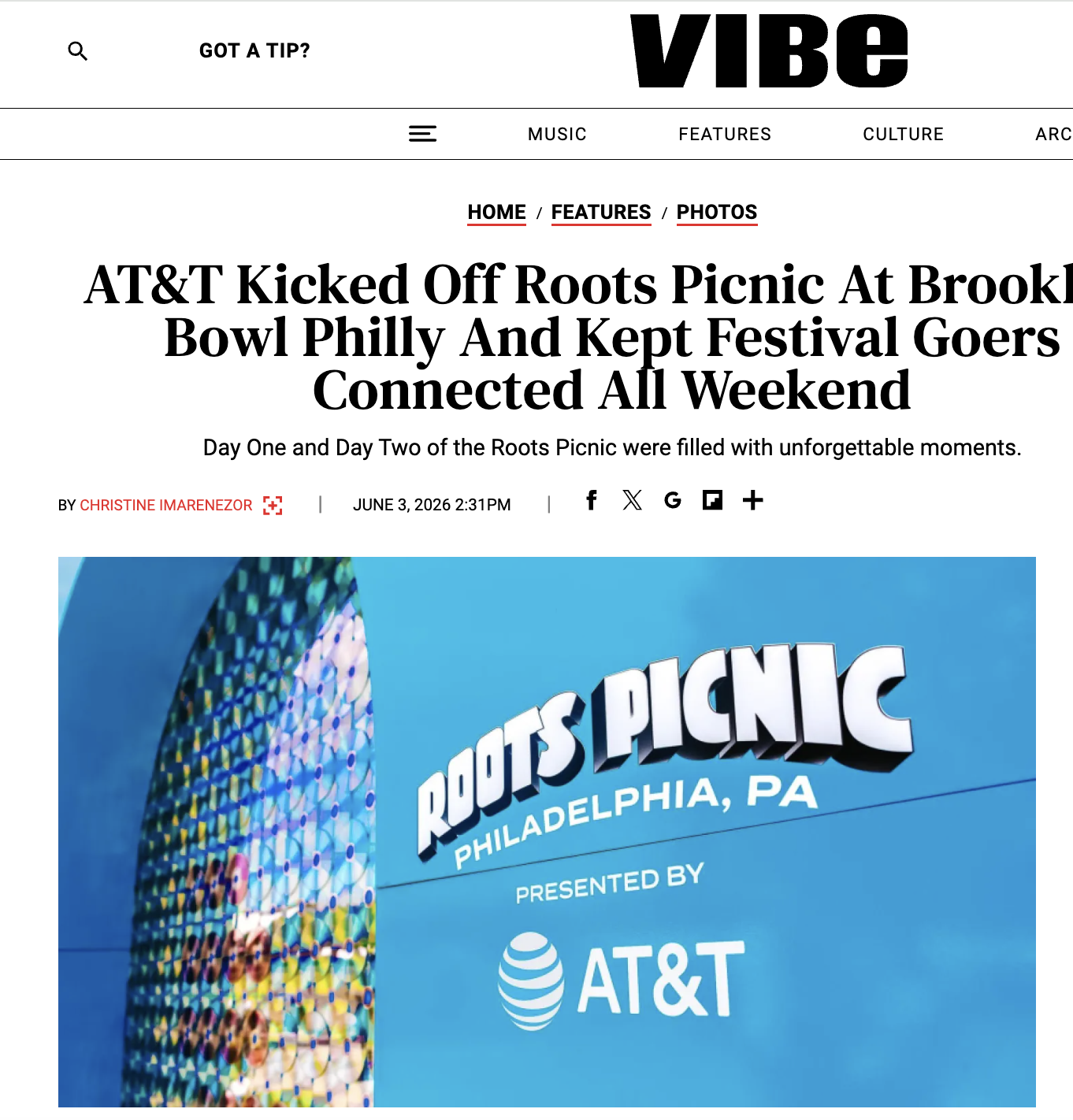
Where does a telecom's investment in music produce credit that compounds rather than credit that resets each year?

How does a brand scale a founder-led movement without taking it over, or diluting the voice that made it worth scaling?
How does a legacy media franchise modernize its point of view without losing the audience that built it, or failing the audience it needs next?
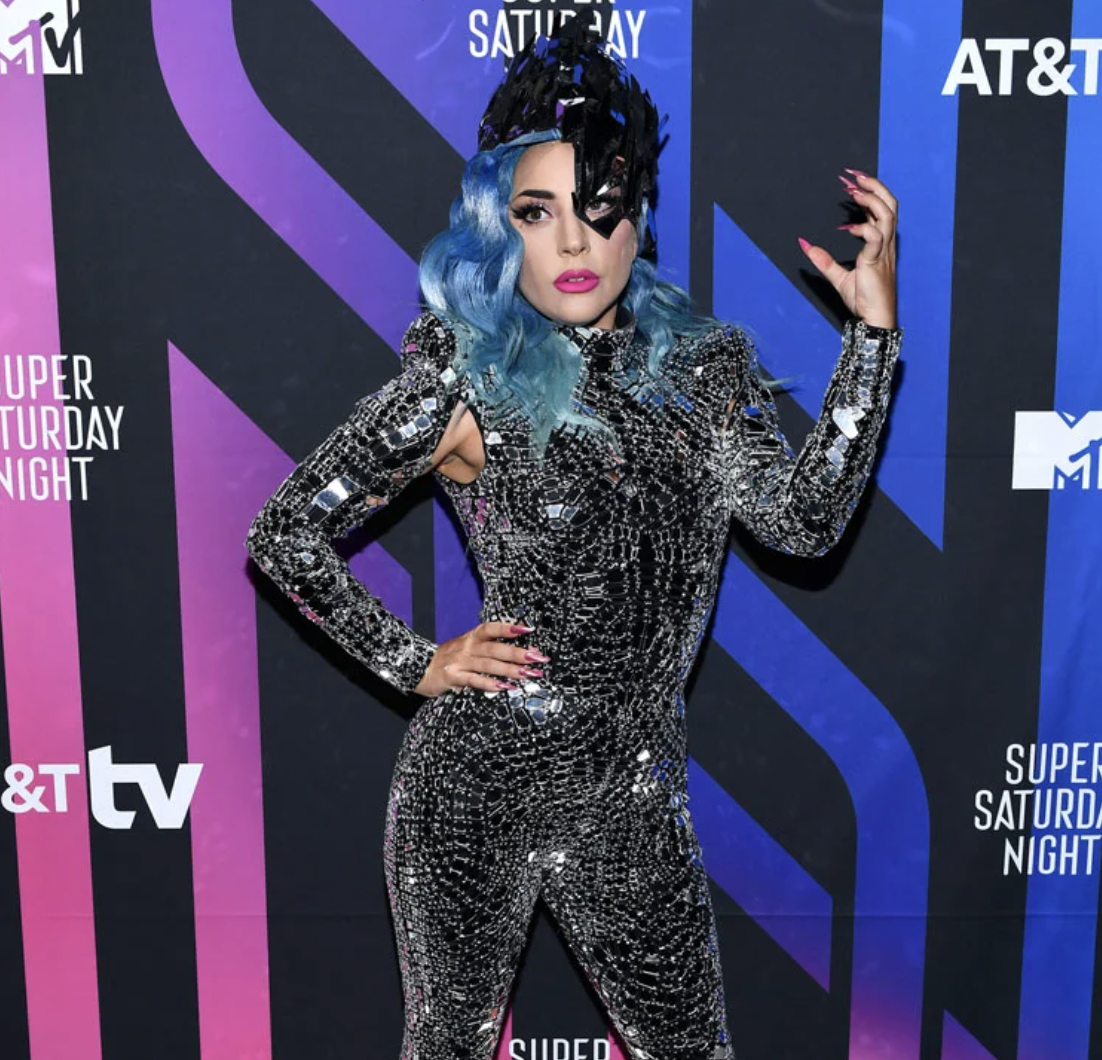
How does a new streaming platform launch inside the most crowded media weekend of the year, and become one of the stories, not a footnote to someone else's?